
At a time when the future increasingly feels like a repeat of the past, the idea of “game changing” demands scrutiny. On social media, comparisons between 2026 and 2016 circulate with uneasy familiarity: from resurgent authoritarianism to culture wars and identity politics over visibility and speech. It is this concern that gives the Asia Society Arts Game Changer Awards their urgency.
Established by Asia Society India, the awards were conceived to recognize practices that have transformed the way art is made, disseminated and understood across South Asia. The emphasis of the award is deliberate: individual excellence, once the primary currency of cultural recognition, has revealed its limits in an increasingly unequal world of infrastructure, technology and access, requiring collaboration across disciplines.
This year’s award winners highlight that change. The 2026 group includes Sri Lankan artist Hema Shironi, whose textile-based practice weaves together post-war memory, Tamil identity and anti-colonial resistance; Kulpreet Singh, a farmer-artist from Punjab, whose soot paintings emerge directly from agricultural distress and climate disaster; Raghu Rai, whose photographic archive spanning six decades has shaped the way India remembers itself; and CAMP (Critical Art and Media Practices), whose work spans film, surveillance, and open digital archives.
Hema Shironi
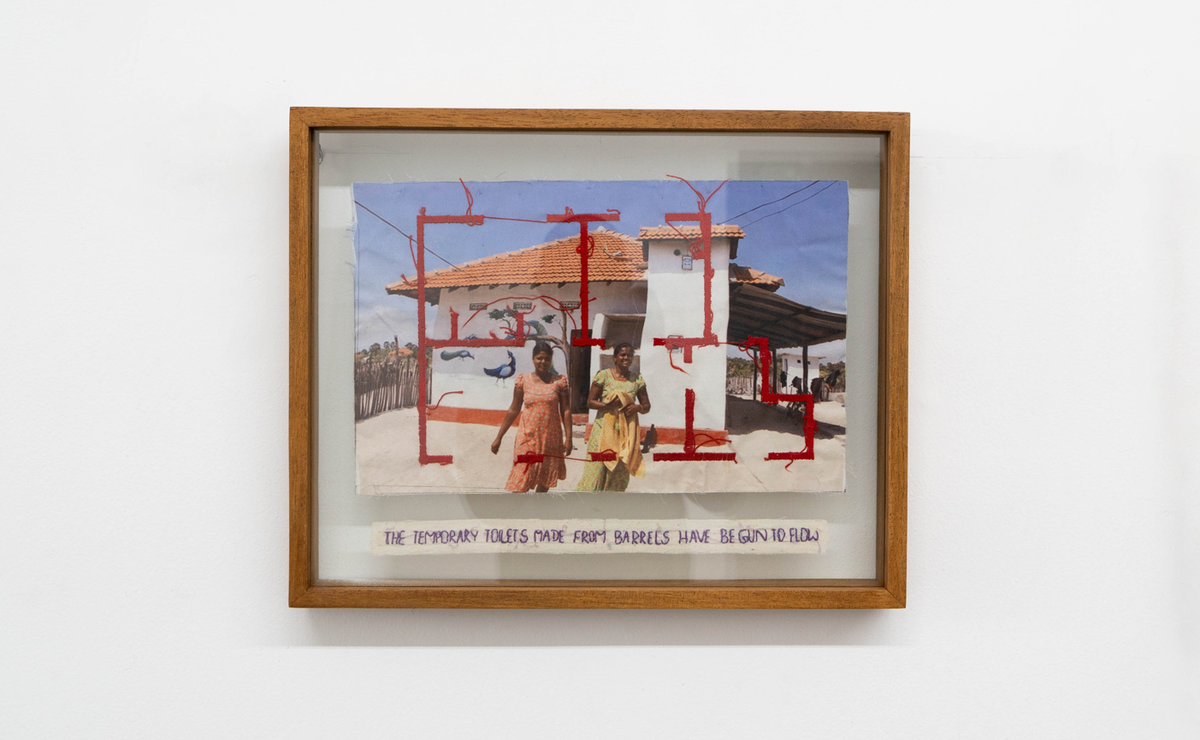
One debt is taken to settle another IV (2023; hand embroidery on printed fabric and cotton fabric)
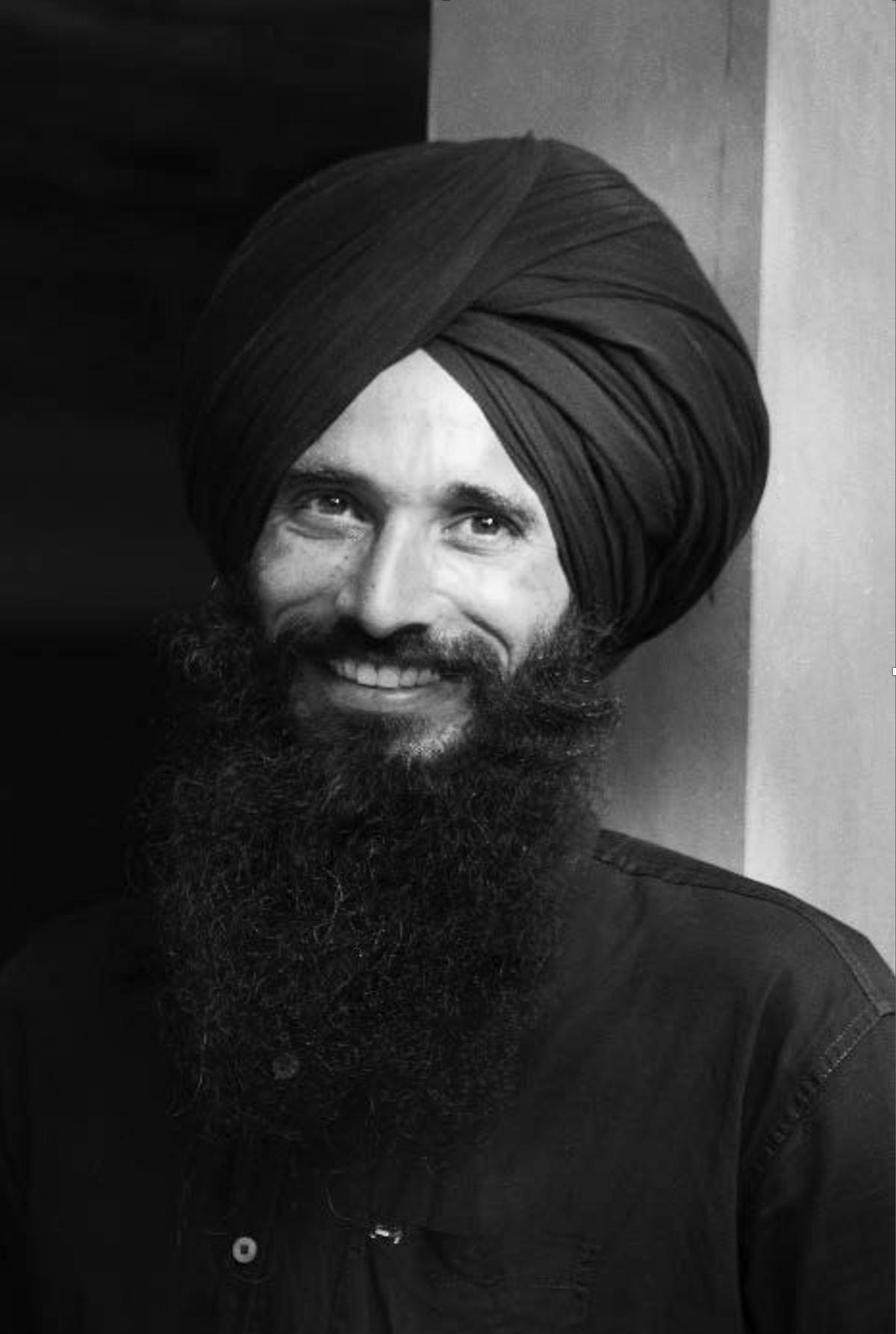
Kulpreet Singh
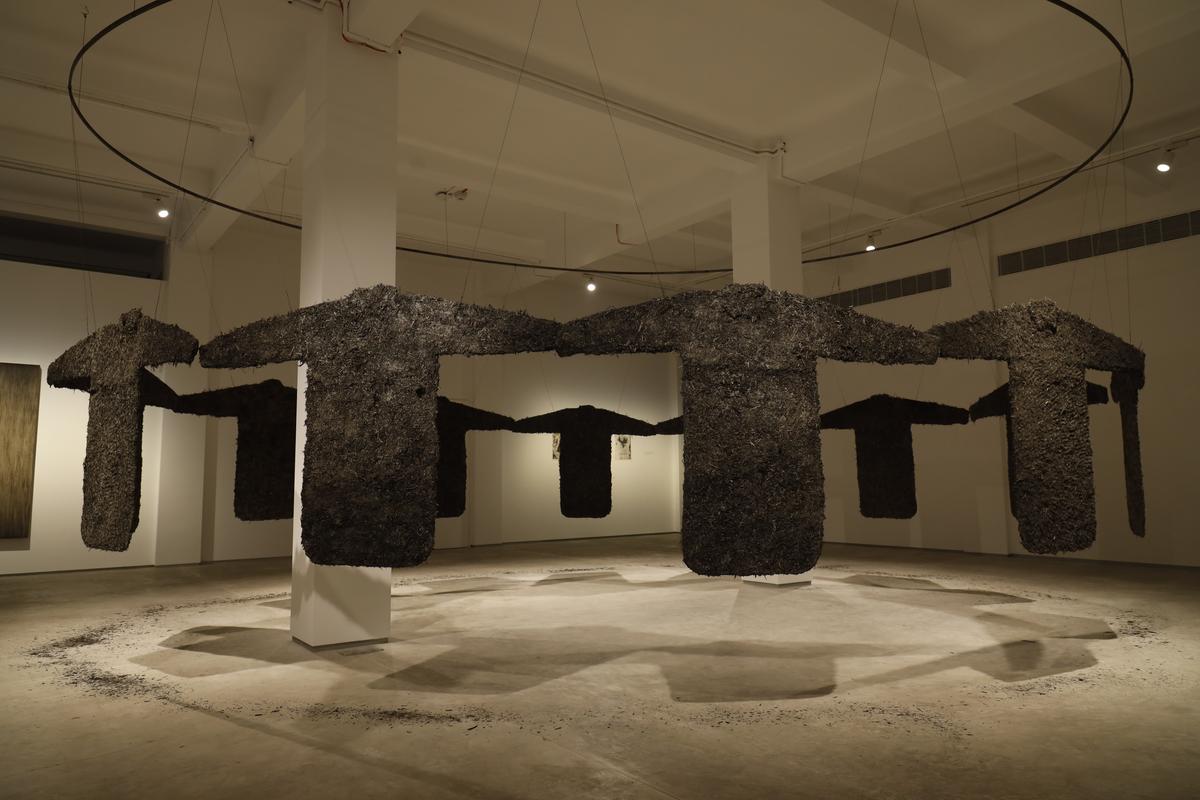
indelible black marks (2022-24; cotton cloth, yarn, stubble ash, and ash from wood stoves at farmers’ roti sites) Photo courtesy: Ashish Kumar
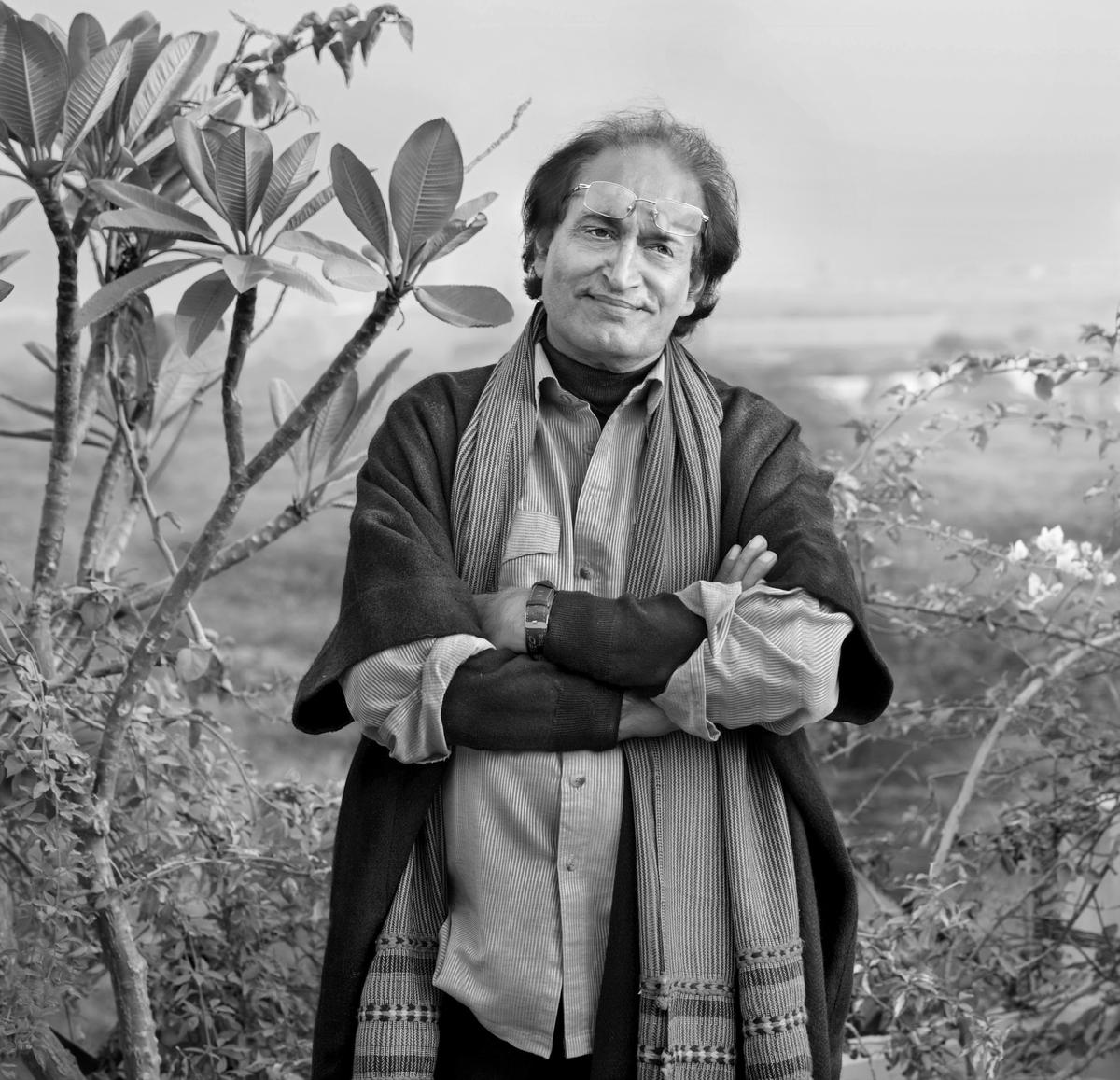
Raghu Rai
‘Art is a thing worth living’
Among them, what makes CAMP’s practice particularly fascinating is its disregard for form, format, media, and prescribed definitions of art. Founded in Mumbai in 2007 by Shaina Anand and Ashok Sukumaran, the collaborative studio has spent nearly two decades working on moving image practice, technical systems, pedagogy and sustainable public infrastructure. His projects include Pad.ma, an open-access online archive of documentary footage, and Indiancine.ma, a collaboratively created database of Indian cinema that serves as both an archive and research commons.
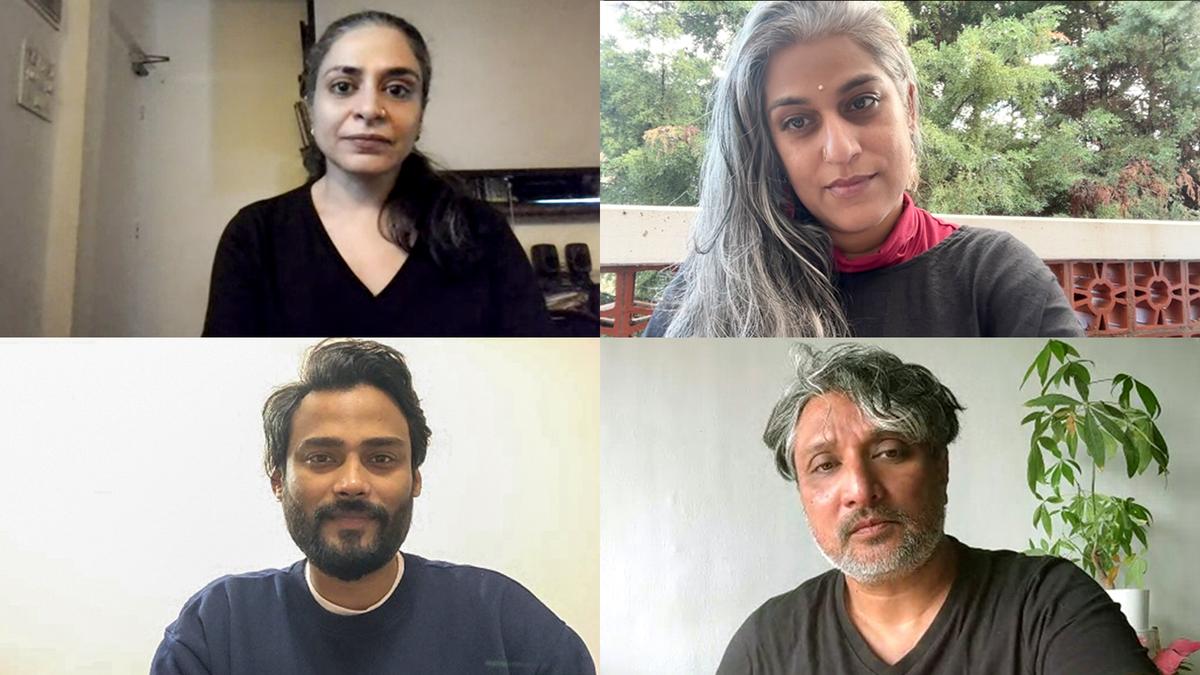
Clockwise from top left: Zinnia Ambapardiwala, Shaina Anand, Ashok Sukumaran, and Rohan Chavan
No platform acts as a neutral repository. As Anand says, “We said ‘infrastructure’ long before it was a term in the arts or anthropology. Within three months of starting CAMP, Pad.ma was launched, and it had already come together and was part of a community larger than us.”
What distinguishes CAMP’s practice is not scale or innovation, but method. From the beginning, they were responding to specific circumstances. In the mid-2000s, India’s contemporary art market was rapidly expanding, absorbing visibility and capital, while documentary filmmakers faced shrinking exhibition venues, limited distribution, and increasing censorship. She explains, “We come from a time when the Internet felt like a forest. A place to hide, organize, and create autonomously. We took the airwaves, even electricity, for granted as independent media and common people.”
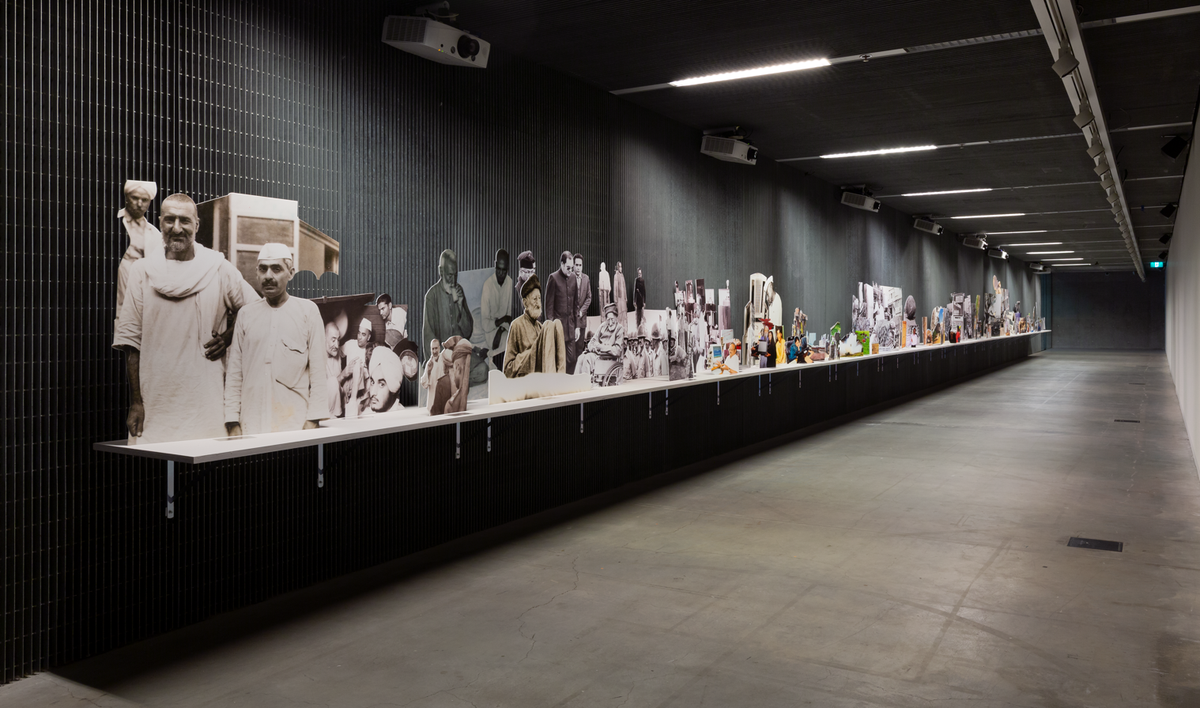
of camp a photogenetic line The installation is a 100-foot-long branch sequence of cutouts, with original captions, from photo archives The Hindu.
CAMP emerged at this crossroads with a clear proposal: if existing structures could not do certain kinds of things, those structures had to be reconsidered or built from scratch. “Art is not something to hang on a wall. It’s something you can inhabit. Something that can exist inside systems – archives, cities, surveillance – and not just represent them,” says Sukumaran.
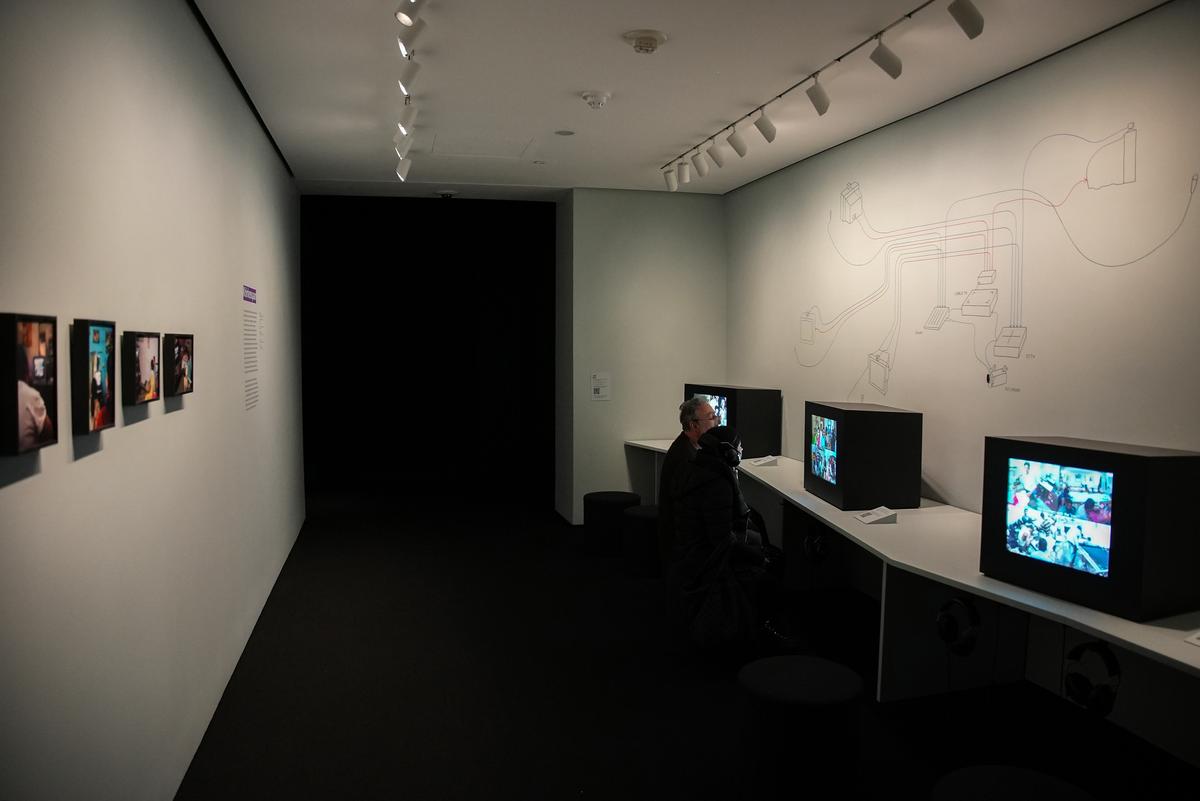
windows There is a video installation where neighborhood TVs were repurposed as conversation systems in a mix of cable TV and early CCTV systems.
Shaping the way images are transmitted
Central to CAMP’s thinking is its refusal to separate art from its conditions. Filmmaking, creation of archives, or interventions in surveillance systems are considered artistic acts because they shape how images are transmitted and who sees them. Anand says, “The work may take the form of filmmaking, or making a collection – but the method, the commitment, is art.” This position also explains CAMP’s resistance to being framed as an “artist collective”. He argues that the term often reiterates the logic of individual authorship under a shared name. Instead, they consider collaboration to be an active process that is negotiated, strategic, and often risky.
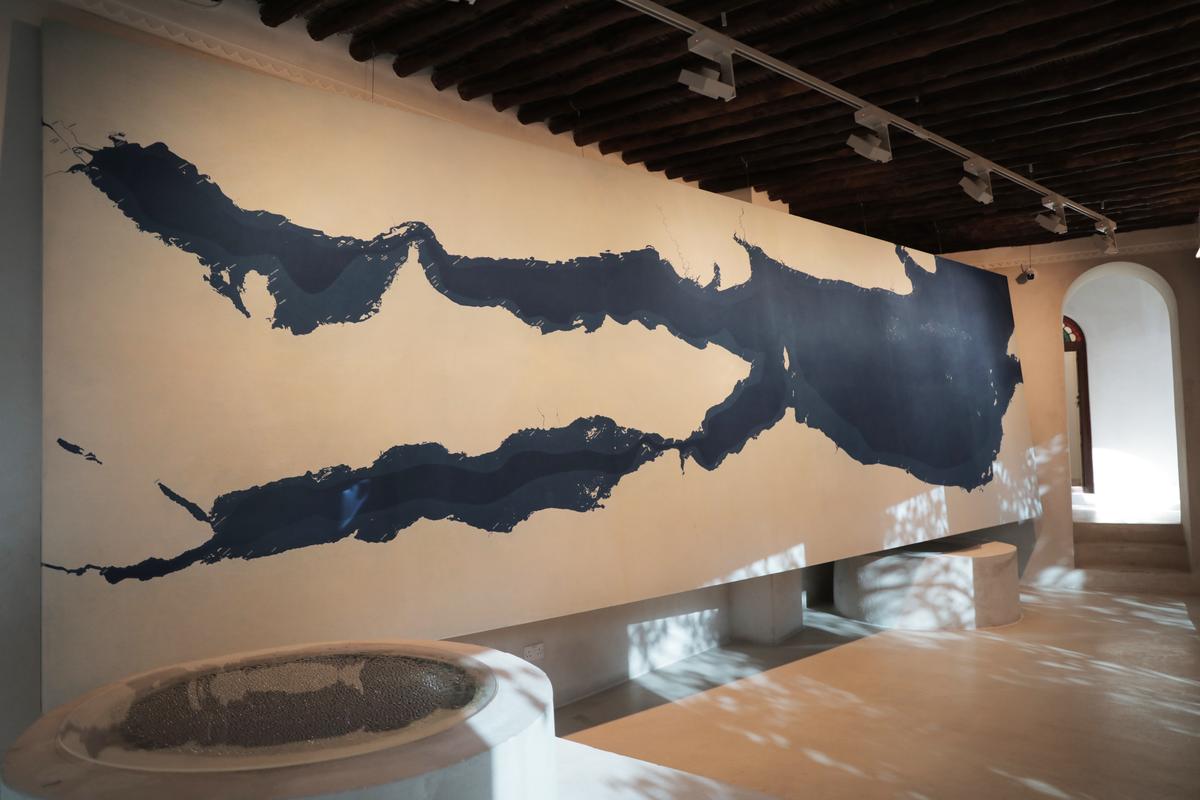
country of the sea A cyanotype map based on CAMP’s five-year project with Gujarati sailors in the western Indian Ocean from Kuwait to Mombasa.
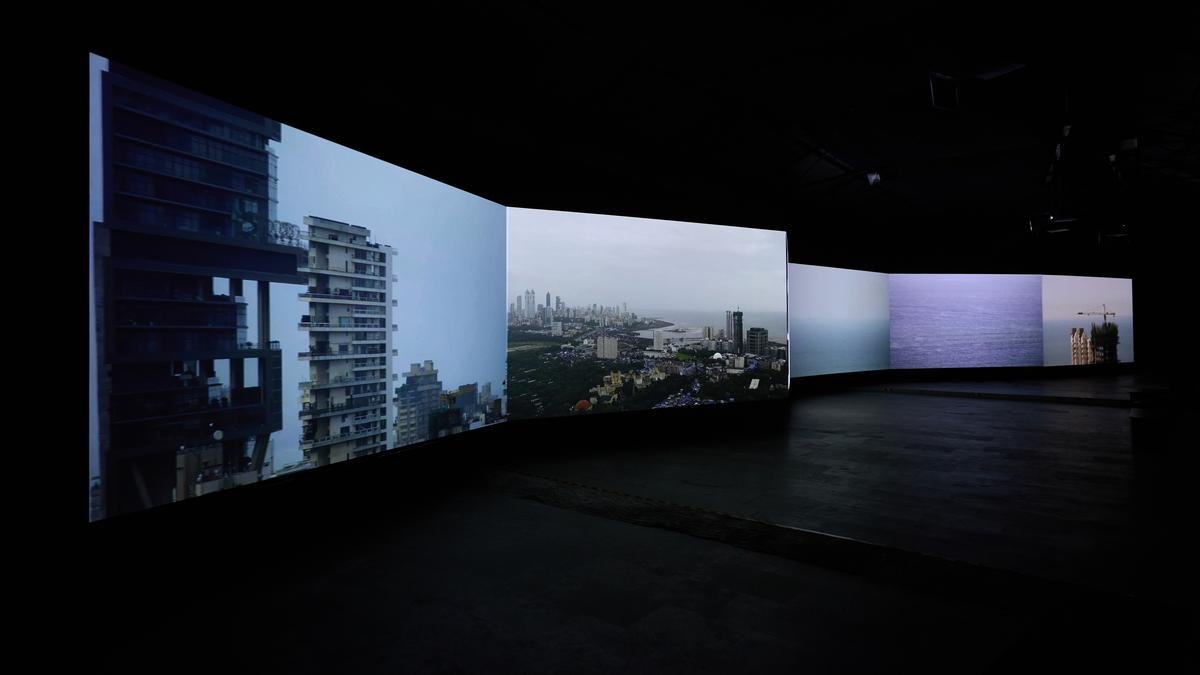
Working with CCTV operators in the UK, Palestinian families are filming their neighborhood in East Jerusalem (al zar qabla al dar), sailor who documented life in the Indian Ocean (from gulf to gulf), or residents reading Mumbai’s skyline through poetry (Bombay bows down), CAMP repeatedly asks: who controls the image, who benefits from access? “There are already millions of cameras in our cities,” says Sukumaran. “The artistic question is not whether to bring in another one, but to use what already exists to show something else.” By repurposing surveillance technologies, allowing cameras to observe neighborhood life rather than protect private property, they disrupt the logic of the panopticon.
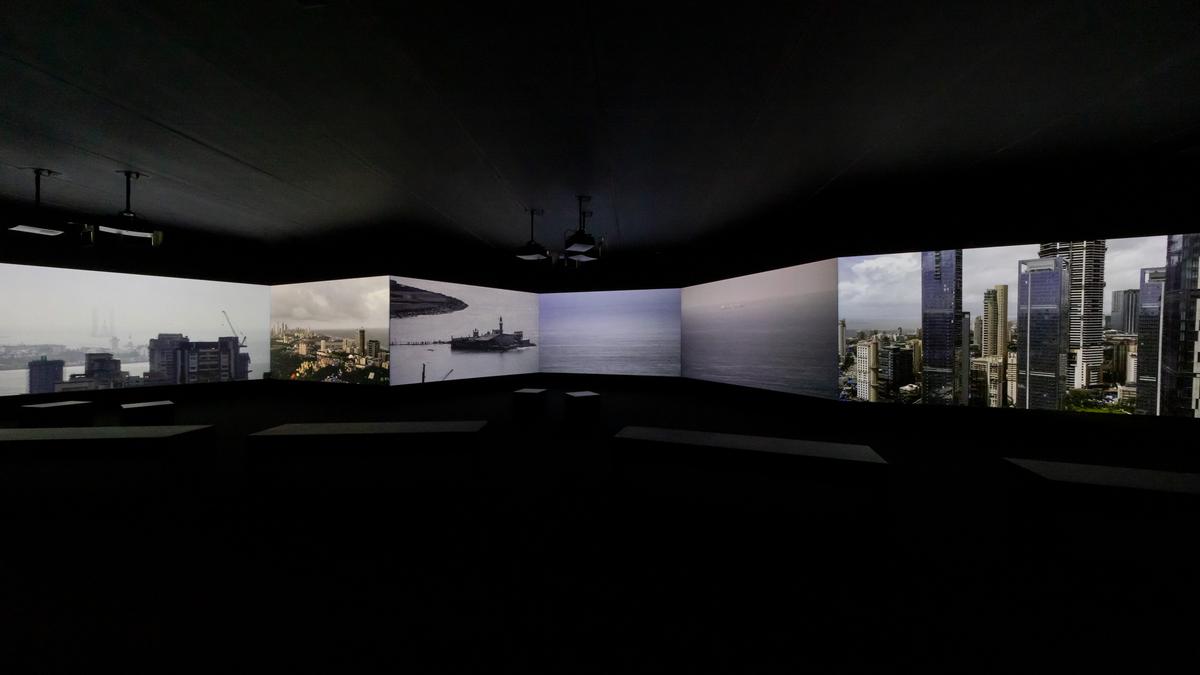
Bombay bows down The incident was filmed from a single-point location by a CCTV camera on top of a 35-floor building.
a shared commitment
His approach extends cautiously to new technologies. Rather than accepting claims of essentialism around artificial intelligence, CAMP views machine tools as situational: useful for translation, research or archival labor when aligned with ethical intent, and contested when they obscure accountability. “We do not accept the current use of any technology as its ultimate destiny,” says Sukumaran.
In this light, the Asia Society Awards serve as support rather than recognition of continued risk. Placed alongside Shironi, Singh and Rai, CAMP’s practice reveals a shared commitment: art that remains close to lived conditions rather than abstract tendencies. Again, the point of “game change” art is not to predict the future, but to refuse its repetition. At a moment when the past is in danger of remaining intact, CAMP’s work entails the reconstruction of the rules themselves.
The Asia Society Arts Game Changer Awards will be presented on 6 February in New Delhi.
The essayist-teacher writes on culture, and is the founding editor of Proseterity – a literary arts magazine.
published – January 30, 2026 11:49 am IST