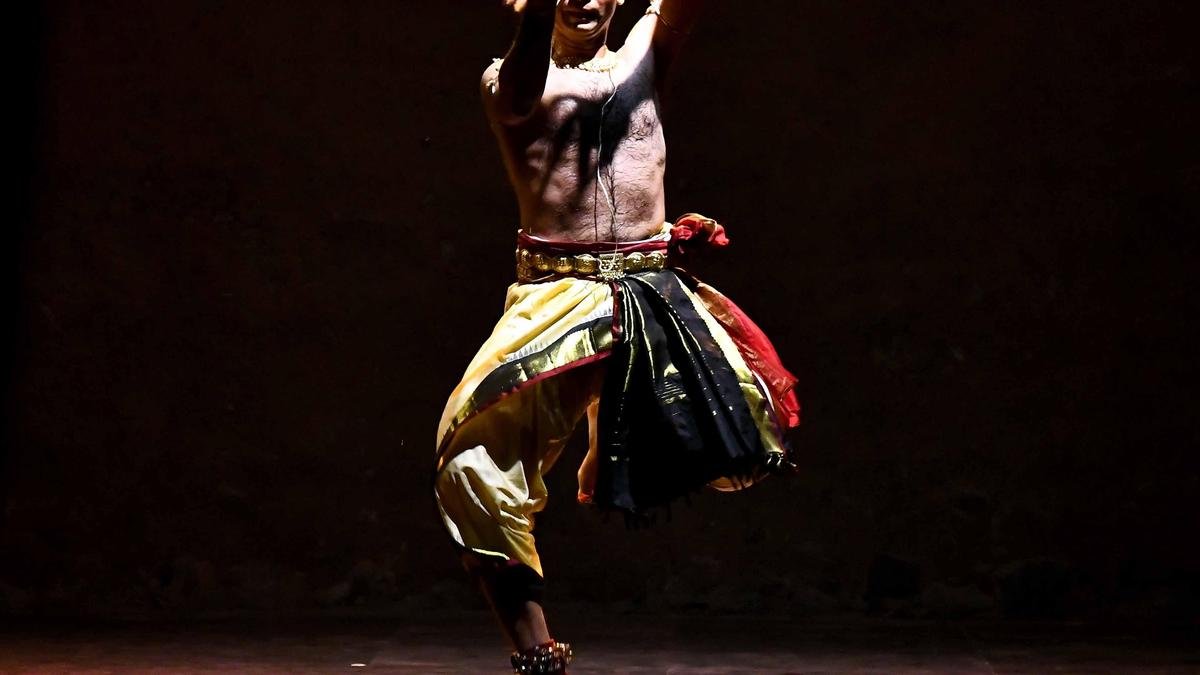

Orthopedic arthroplasty surgeon Prashant Nagaraj, who recently led a workshop on ‘Biomechanics of Dance and Dancer’s Bone Health’, said, “While the world sees grace and beauty in a dance performance, I inadvertently see fatigue in the muscles and any potential stress on the dancer’s spine, knees and ankles.”
Dr. Prashant Nagaraj interacting with the dancers during the workshop. Photo Credits: Courtesy: Anadya Performing Arts
Organized by Anadya Performing Arts, founded by Bengaluru-based Kathak dancer Arpita Banerjee, the workshop was held at Dhuri Studio. The two-and-a-half-hour interactive session had participants voluntarily performing dance movements and postures, which were scientifically analyzed by Dr Prashant and Dr Bhavana MB, pediatric physiotherapist and clinical researcher.
Arpita shared, “Pain is often ignored by dancers. We don’t understand the difference between good and bad pain, especially when we start dancing as children. I suffered a knee dislocation during a rehearsal in 2010. My mentor Nandini Mehta referred me to Dr. Prashant, who treated me with isometric exercises.” The injury reshaped her relationship with dance and led her to advocate a more informed approach to movement.
Dr. Prashant, whose work serves as a bridge between clinical science and movement, also highlighted how dancers “push their bodies to achieve grace while maintaining their posture and risking injury”.
The orthopedic surgeon began his studies when his mother Vimala Nagaraj learned Bharatanatyam. “It helped me understand the physical demands and technique of classical dance.”
The workshop also discussed systemic issues such as those that flatfoot dancers often overlook. Dr. Bhavana said: “The harder you stomp your feet, the stronger the impact on your feet, hips and spine. Flat feet can predispose the dancer to foot problems or chronic ankle pain.”
Arpita said: “Some dancers are born with flat feet and continue to dance without pain. However, prolonged practice without awareness, improper support or lack of muscle strength can aggravate underlying issues. What is of concern is not anatomy, but ignorance – the tendency to dismiss discomfort as routine strain.”
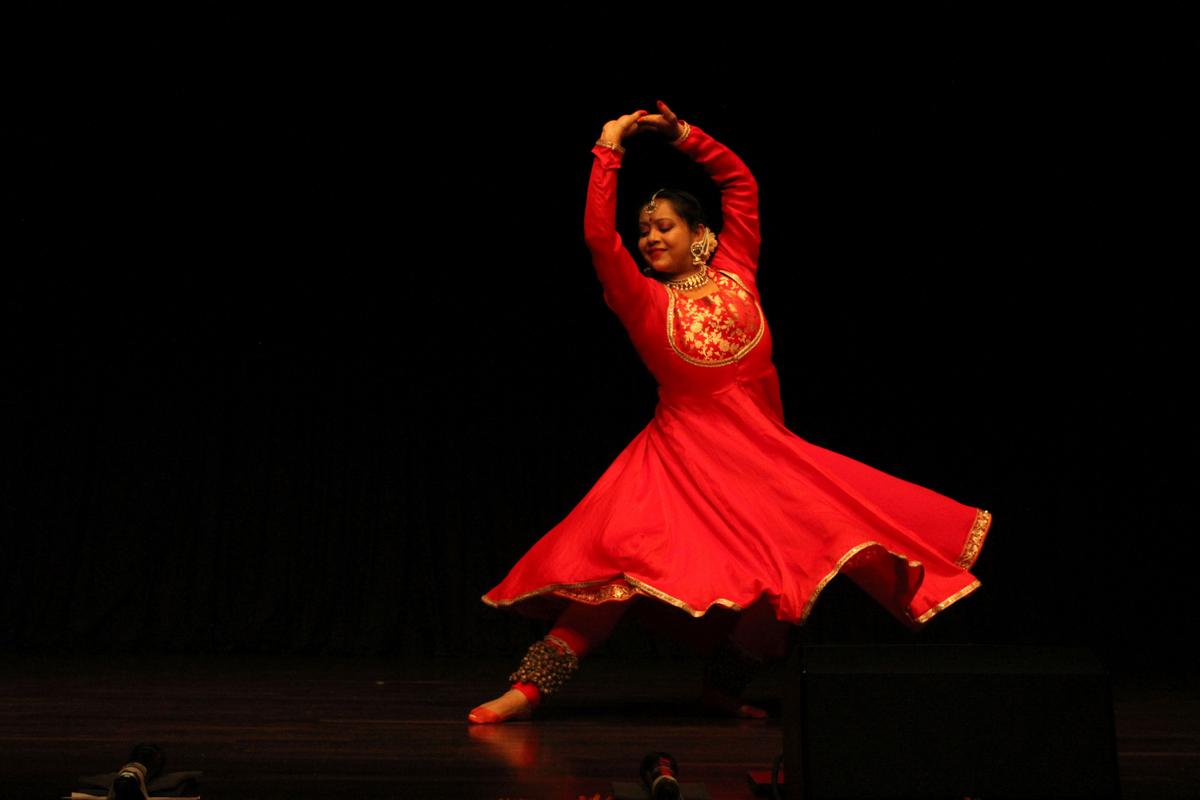
Kathak dancer Arpita Banerjee says her injury reshaped her relationship with dance Photo Credit: Courtesy: Anadya Performing Arts
Arpita believes that Kathak does not cause arthritis or health related problems. “It follows a scientific progression – slow foot movement, gradual movement, arm movement, then rotation. This allows the body to adapt the muscles and joints. The breath naturally aligns.” However, the injury is not the end. “It means listening to your body and restarting.”
Dr. Bhavana demonstrated physiotherapy and resistance exercises and corrective postures that would strengthen the dancers’ muscles.
The Arimandi posture of Bharatanatyam was also discussed, and the alignment of a volunteer’s toes, ankles and knees was analyzed.
Speaking about the science behind the dance, Dr Prashant said: “Bharatanatyam is more asana, Kathak is more into neuromuscular control, which we see during the twirl. The problem arises when the science behind the movement is ignored. We need to understand this.”
Although there were no Odissi dancers present at the workshop, we reached out to Madhulita Mahapatra, a student of Bengaluru-based Gangadhar Pradhan. According to him, the most common injuries among Odissi dancers were knee strain, ankle stiffness, lower back fatigue and sometimes muscle strain. “These usually come with overuse, inadequate warm-up, misalignment or fatigue. Individually, injury teaches humility—it reminds us to respect the body,” she said.
The basic postures of Odissi, Chauka and Tribhanga are not harmful when taught and practiced correctly. “Problems arise when dancers sit on their knees, lock their joints, make hurried movements or practice without adequate strength and preparation,” Madhulita said.
Comfort is also an important aspect of it. “If you have a dance schedule tomorrow, divide the practice over a week. Bones and muscles need time to rest and heal,” explains Dr. Prashant.
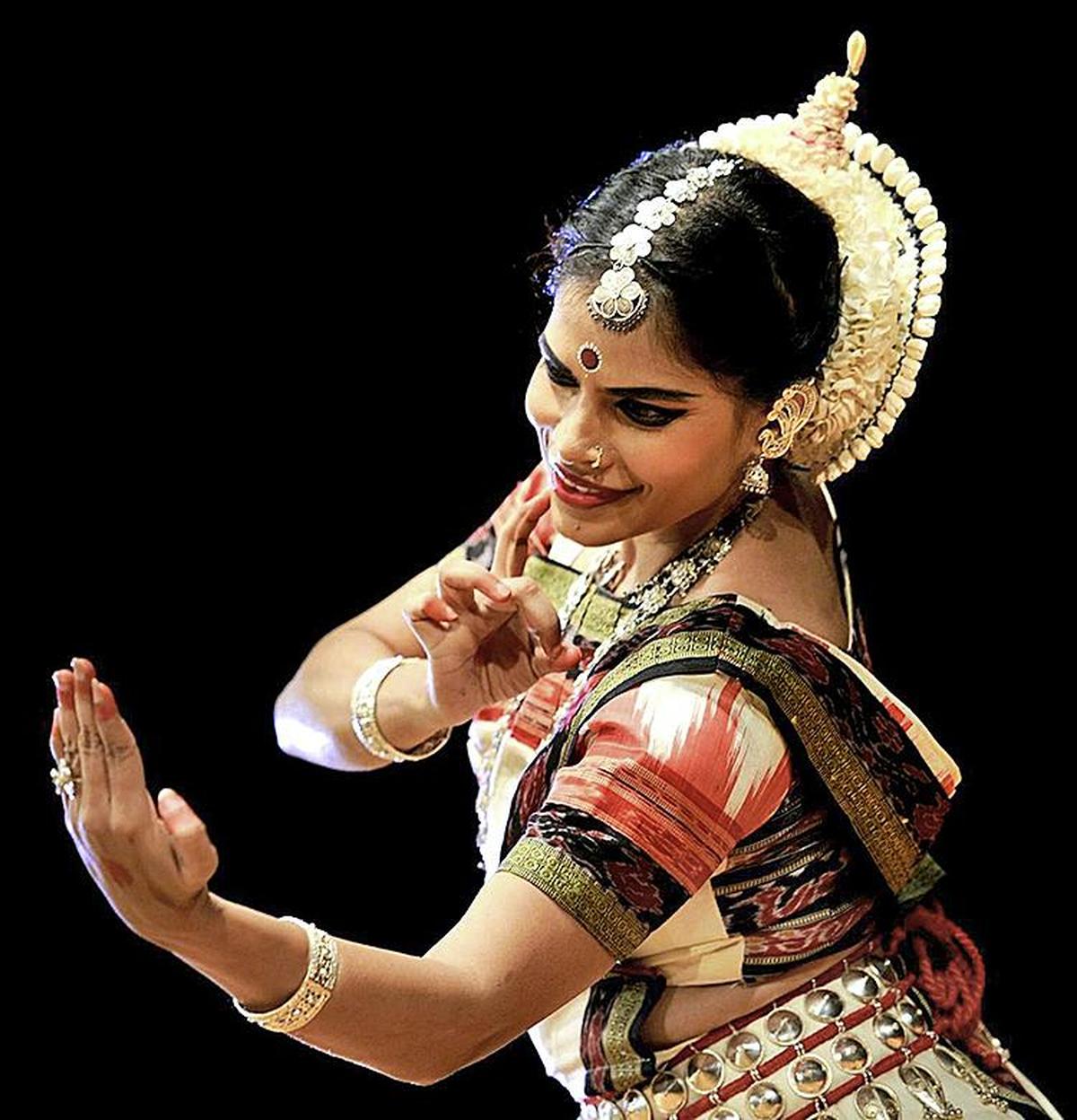
Odissi dancer Madhulita Mahapatra. | Photo Credit: Special Arrangement
Madhulita cited the example of veteran gurus Kelucharan Mahapatra and Pandit Birju Maharaj, who danced despite their advancing age. “He honed technique, alignment, rhythm and composure and nurtured his dance with strong fundamentals and a solid foundation.” He referred to ‘The Odissi Dance Path Finder’, a book by the Odissi Research Centre, Bhubaneswar. “It presents depictions of postures, postures, hand gestures, body positions and changes.”
Talking about irreversible injuries that led to amputation, Dr Prashant mentioned the cases of Sudha Chandran, Amy Purdy and Ivan Ruggiero, who dance with artificial limbs. “His cases are studied by surgeons around the world because he overcame challenges using biomechanics.”
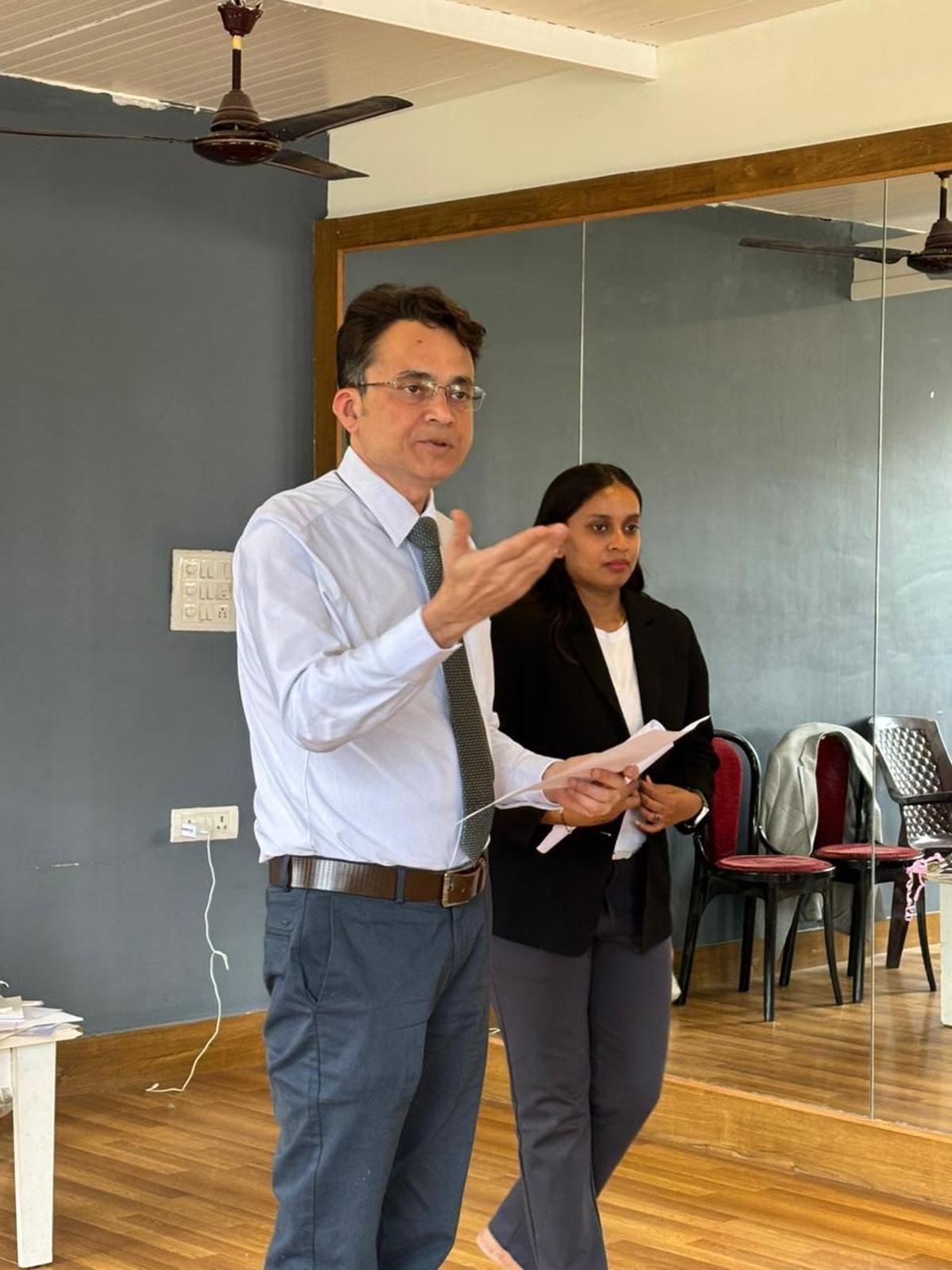
While Dr. Prashant explained the theoretical aspects, Dr. Bhavana MB demonstrated the exercises Photo Credit: Courtesy: Anadya Performing Arts
Bharatanatyam dancer Shijit Nambiar suffered serious injuries in a road accident in 2013 and suffered extensive damage to his knee, including ligament injuries and multiple fractures. Doctors predicted a recovery period of six to seven months – Shijit returned to the stage in four months! “It means rigorous physiotherapy, weight training and strengthening,” said the dancer, who was treated by Dr Kannabiran Bhojan along with orthopedic surgeon Dr David Rajan in Coimbatore, who documented her rehabilitation and recovery.
Shijith, who trained at Chennai’s Kalakshetra, said, “For centuries, Indian classical dance traditions have nurtured not only artists but also flexible bodies. Yet, today, conversations about dance injuries are becoming more frequent. This is because some essentials have been weakened along the way.” “Injury prevention was incorporated into the training. Classical dance is supported by science. Historically, Bharatanatyam training included elements comparable to Kalari, Yoga and Ayurveda – systems that train the body alongside artistic training. Similar models still exist in Kerala’s Kalamandalam, where Kathakali performers go through Uzhichal, Meyi Uzhichal and Meyi Sadhagam as part of their weekly routine. That’s why, heavy attire Despite wearing and sitting in the same posture for a long time, they still do not suffer from injuries. This is because their bodies are ready.”
Dr. Kannabiran Food | Photo Credit: Special Arrangement
Dr. Kannabiran, co-founder of Yashoda Physiotherapy-Facikinetics and Fasciapraxis in Coimbatore, lists the most common dance injuries as sprains of the big toe and fractures of the little toe. “This is common in dancing children. Snapping hips are seen in senior dancers. Then we also have triple cartilage injuries as a result of high kicks. It is best that dancers get a basic screening to check for bone alignment, flat feet, knocked knee syndrome, tight hips, etc., so they know their limits and where to draw the line.”
He also said that 80 percent of dance injuries do not require surgery and can be treated with physiotherapy. “Dancers have a high pain tolerance and will dance despite the pain. Every dancer needs to be educated that it is not good.”