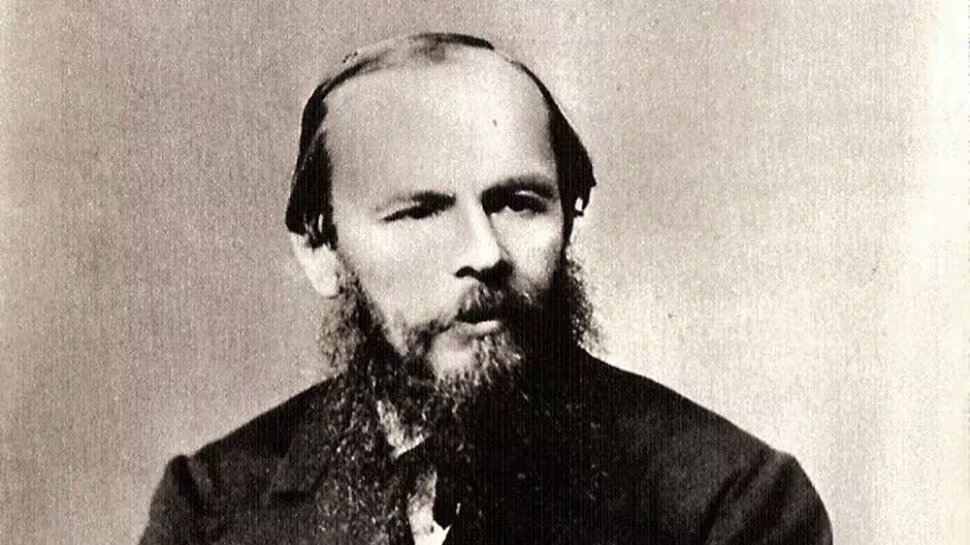

Fyodor Mikhailovich Dostoevsky was a Russian philosopher, novelist, short story writer, essayist and journalist. He is considered one of the greatest novelists in both Russian and world literature.
His work focuses on the human condition in the turbulent political, social and spiritual environment of nineteenth-century Russia and is deeply engaged with philosophical and religious themes.
Some of his most acclaimed novels include Crime and Punishment (1866), The Idiot (1869), Demons (1872), The Adolescent (1875), and The Brothers Karamazov (1880).
Add Zee News as favorite source
today’s thought
“In my opinion, the smartest person is the one who calls himself a fool at least once a month.”
meaning of quote
The smartest person is not one who believes he is always wise, but one who regularly reflects on his mistakes and admits his stupidity.
What does Dostoevsky want to say
Dostoevsky emphasizes that true intelligence comes from self-awareness and humility. By calling oneself a “fool”, a person acknowledges his or her limitations and admits that he or she is capable of making mistakes. This act of self-criticism reflects emotional and intellectual maturity, as it requires honesty and courage. Instead of clinging to pride or ego, one chooses reflection and personal growth. For Dostoevsky, this habit of questioning oneself prevents egoism and keeps one connected to reality.
He further suggests that people who never doubt themselves become harsh, critical, and blind to their own flaws, which can lead to cruelty or injustice. Recognizing one’s own foolishness regularly helps one remain morally alert and compassionate toward oneself and others. In this sense, the quote teaches that intelligence is not about looking smart but about constantly learning, improving, and being aware of your flaws.
Who was Fyodor Dostoevsky?
Fyodor Dostoevsky was one of the most influential writers and thinkers of nineteenth-century Russia. Born in Moscow in 1821, he was introduced to literature at an early age through Russian and European writers. This early exposure shaped his lifelong interest in exploring human emotions, morality, and internal psychological conflict.
After his mother’s death in 1837, he enrolled at the Nikolayev Military Engineering Institute. Although trained as an engineer, he soon realized that his true passion lay in writing rather than science or military service. During this time, he translated foreign works to support himself and later published his first novel, Poor Folk, which brought him early recognition.
In 1849, Dostoevsky’s life took a dramatic turn when he was arrested for participating in the Petrashevsky Circle, a group that discussed banned political and philosophical ideas critical of the Russian government. He was sentenced to death, but at the last minute his sentence was commuted to imprisonment. He spent four years in a Siberian labor camp, followed by several years of forced military service in exile.
These experiences deeply shaped his worldview and literary voice, giving him deep insight into the psychology of suffering, faith, and crime and punishment. After returning from exile, he worked as a journalist and editor, publishing and managing several magazines.
During his lifetime, Dostoevsky produced an extensive body of work, including novellas, novellas, and short stories. His writings are renowned for their psychological depth and exploration of morality, free will and human responsibility. Today, he is remembered as a writer who transformed personal hardships into powerful literature that continues to influence readers around the world.