

Have you seen these iconic photos from the past? (Below) From the historic conference on Partition, Mountbatten’s final salute before leaving the country and the country’s first Republic Day parade to the arrival of the Dalai Lama in India, have you wondered who captured these iconic moments of Indian history? She would be none other than Homai Vyarawala, the first Indian female photojournalist.
Lord Mountbatten’s salute before leaving India. , Photo Courtesy: Homai Wiravalla
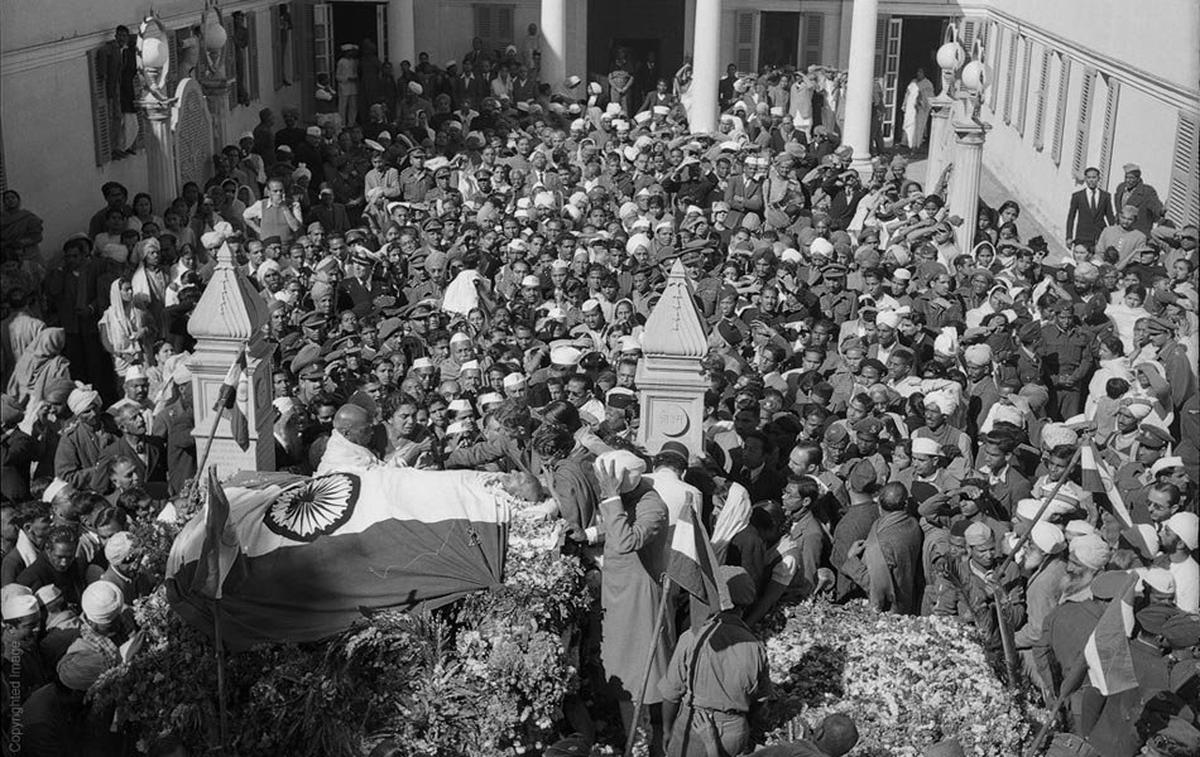
At Birla’s house in Delhi, before Gandhi’s funeral began on January 31, 1948. , Photo Courtesy: Homai Wiravalla
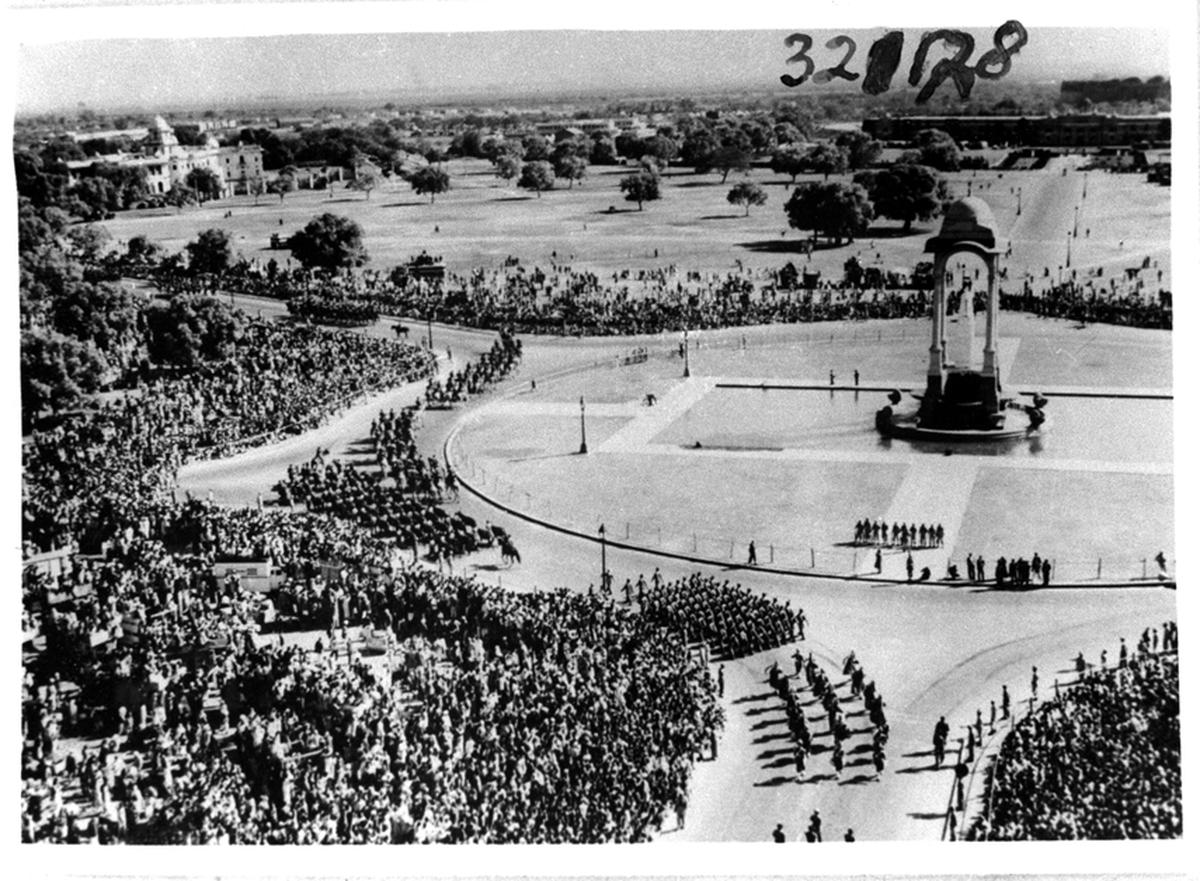
Panoramic view of the Republic Day Parade from India Gate (1953). , Photo Courtesy: Homai Wiravalla
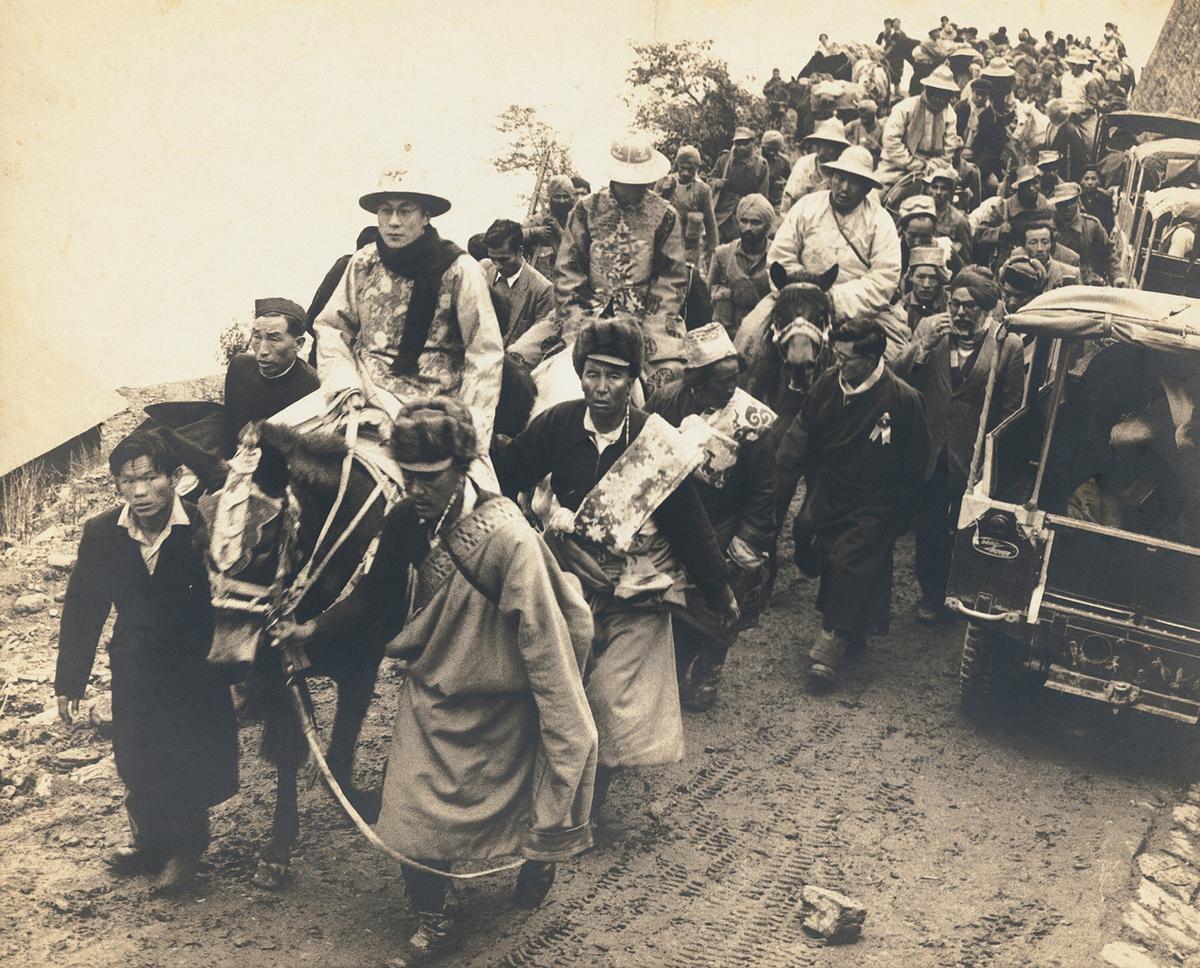
The Dalai Lama in formal attire enters India through a high mountain pass in Sikkim in 1956. Photo Courtesy: Homai Vyarawala Archive/The Alkazi Collection of Photography
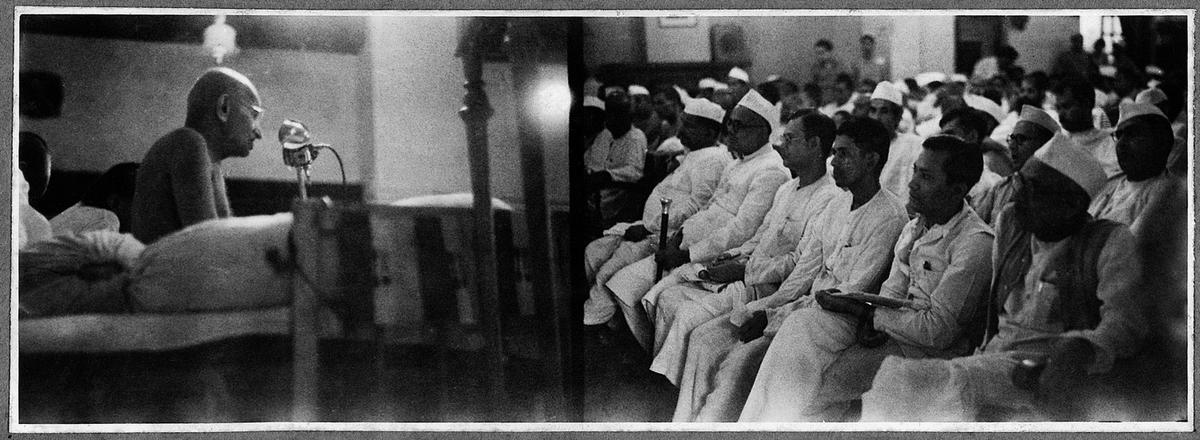
Gandhiji was addressing the representatives of the Congress Committee. , Photo Courtesy: Homai Wiravalla
Homai Vyarawala, popularly known as Dalda 13, was born in 1913 in Gujarat into a traditional Parsi family. An iconic figure of the 20th century, Homai was one of the first photojournalists who witnessed and managed to capture the birth of India as an independent nation. At a time when photography used to be an extremely male-centric career, Homai not only managed to break the gender barrier but also broke all the social stereotypes against it being a respectable job.
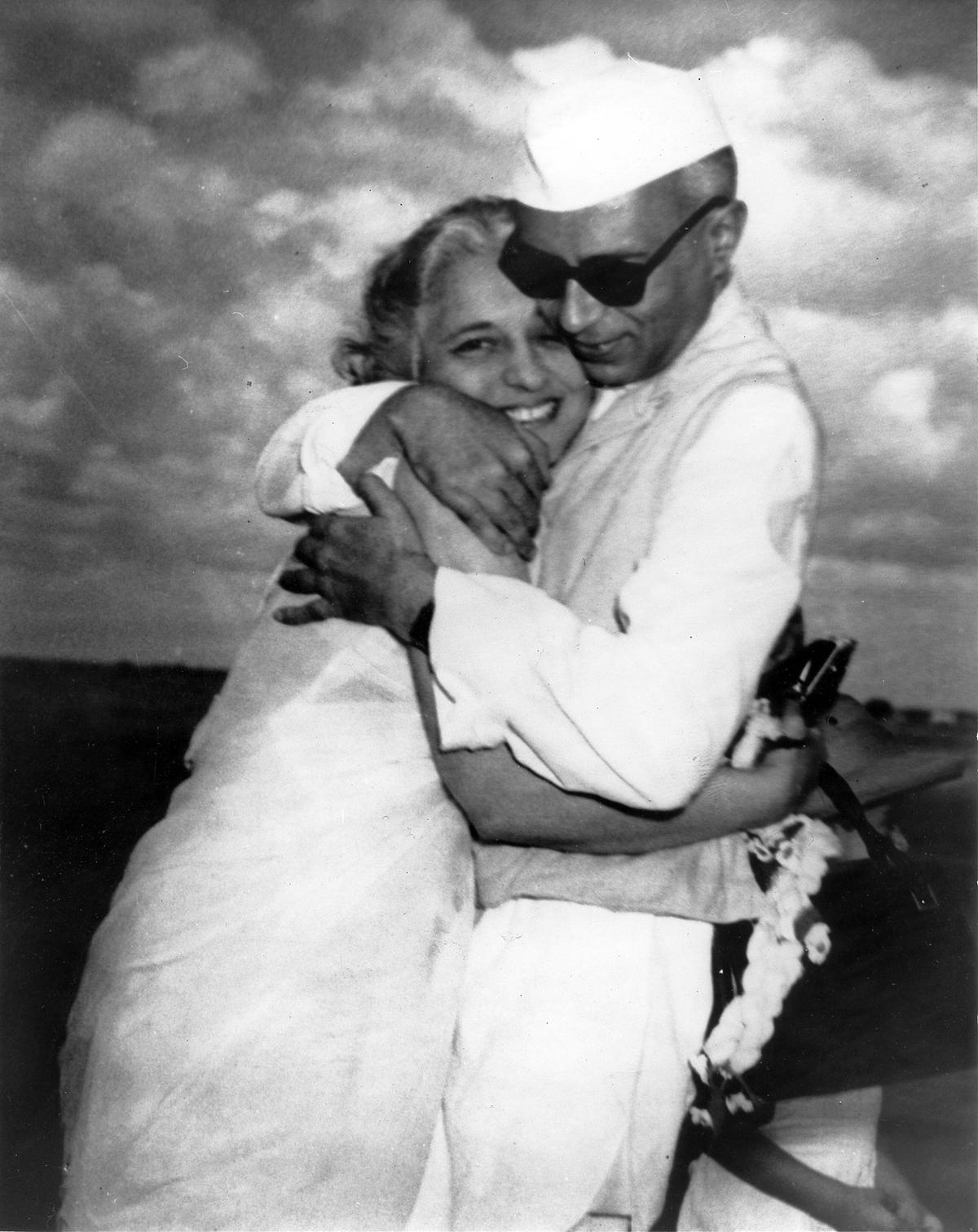
Jawaharlal Nehru with his sister VIjaya Lakshmi Pandit.
Photo Courtesy: Homai Wiravalla
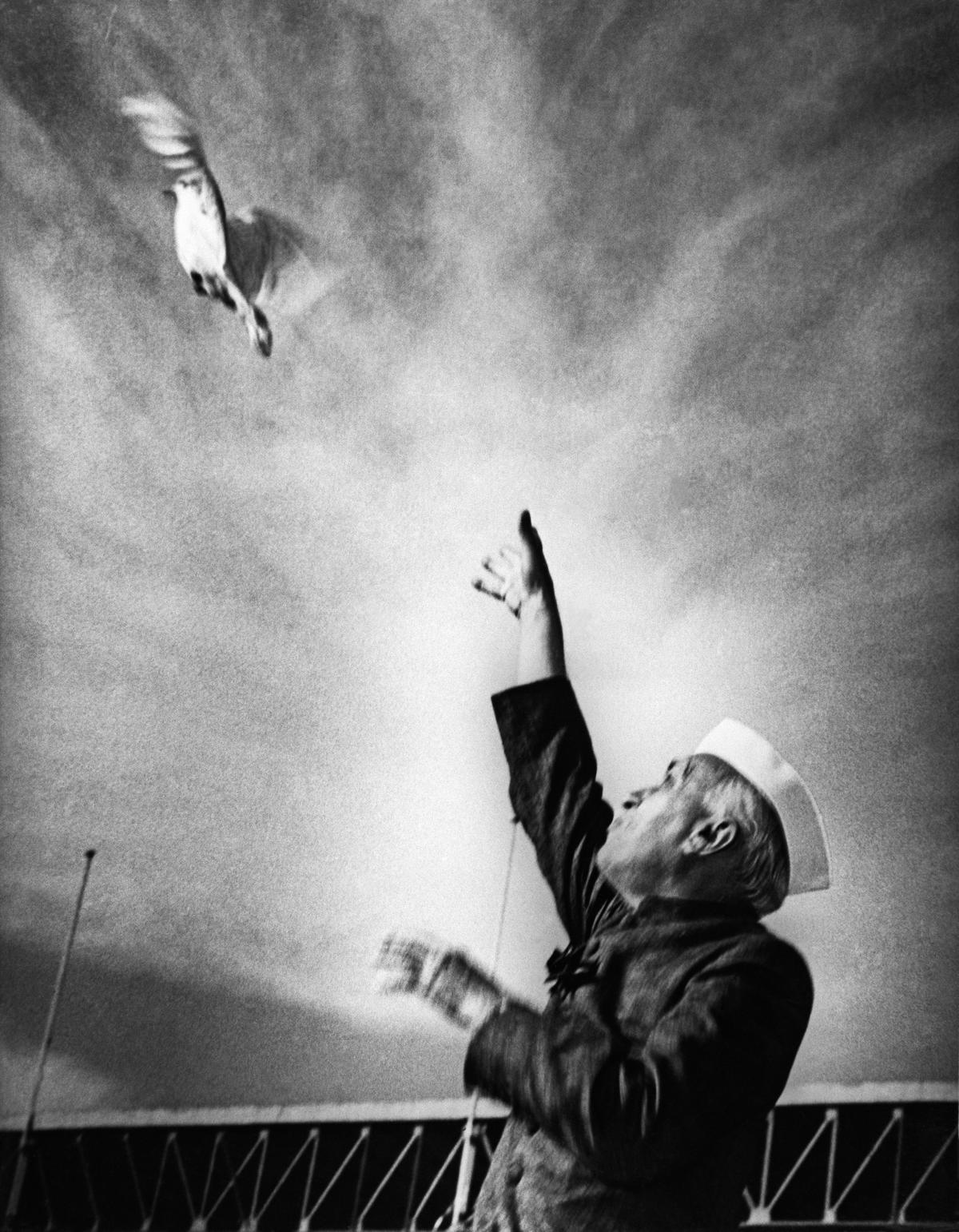
Jawaharlal Nehru at a public event in Delhi. Photo Courtesy: Homai Wiravalla
childhood in a frame
With his father working as an actor in the popular Parsi traveling theater culture, Homai led a nomadic lifestyle, exposing him to the world of vivid cultures of the different cities he visited. After settling in Bombay (now, Mumbai), Homai received a good education due to his parents’ determination to ensure a good education for their children.
So after attending Grant Road High School in Tardeo and becoming the only girl in her class to complete matriculation, Homai enrolled in St. Xavier’s and the prestigious Sir JJ School of Art in Mumbai.
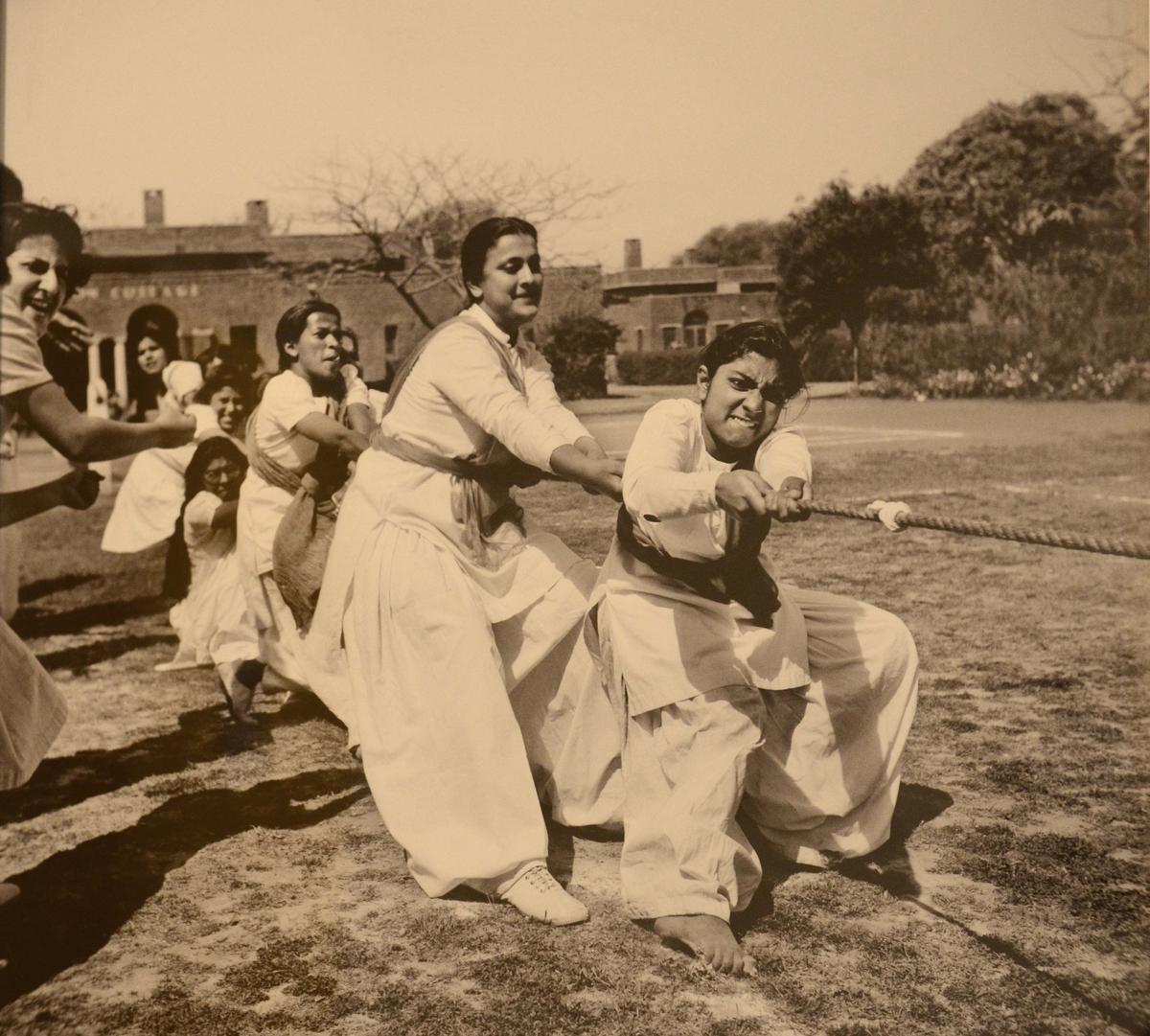
A photograph of ‘Women doing tug of war’ taken by Homai Vyarwala on display at an exhibition in New Delhi on February 15, 2015. , Photo courtesy: Mita Ahlawat
birth of a photographer
It was during her graduation that she met Times of India accountant and established photographer Manekshaw Vyarawala, whom she later married. After gaining more practical experience and technical skills under Vyarwala’s guidance, Homi’s interest in photography increased.
“I had no idea that I would become a photographer. I wanted to be a doctor, but that was the only time in my life that my mother forbade me from doing something. She had seen doctors on late night shifts and she did not want to see me in that kind of profession. She had no idea that press photography would be so much worse!”
Her first stint as a published photographer was a series depicting a picnic at the Women’s Club of Bombay. Initially, these photographs were submitted to The Bombay Chronicle and published under her husband Manekshaw’s name, to give her more credibility in the male-dominated profession of photography in those days. The pseudonym Dalda 13 was also adopted for the same reasons.
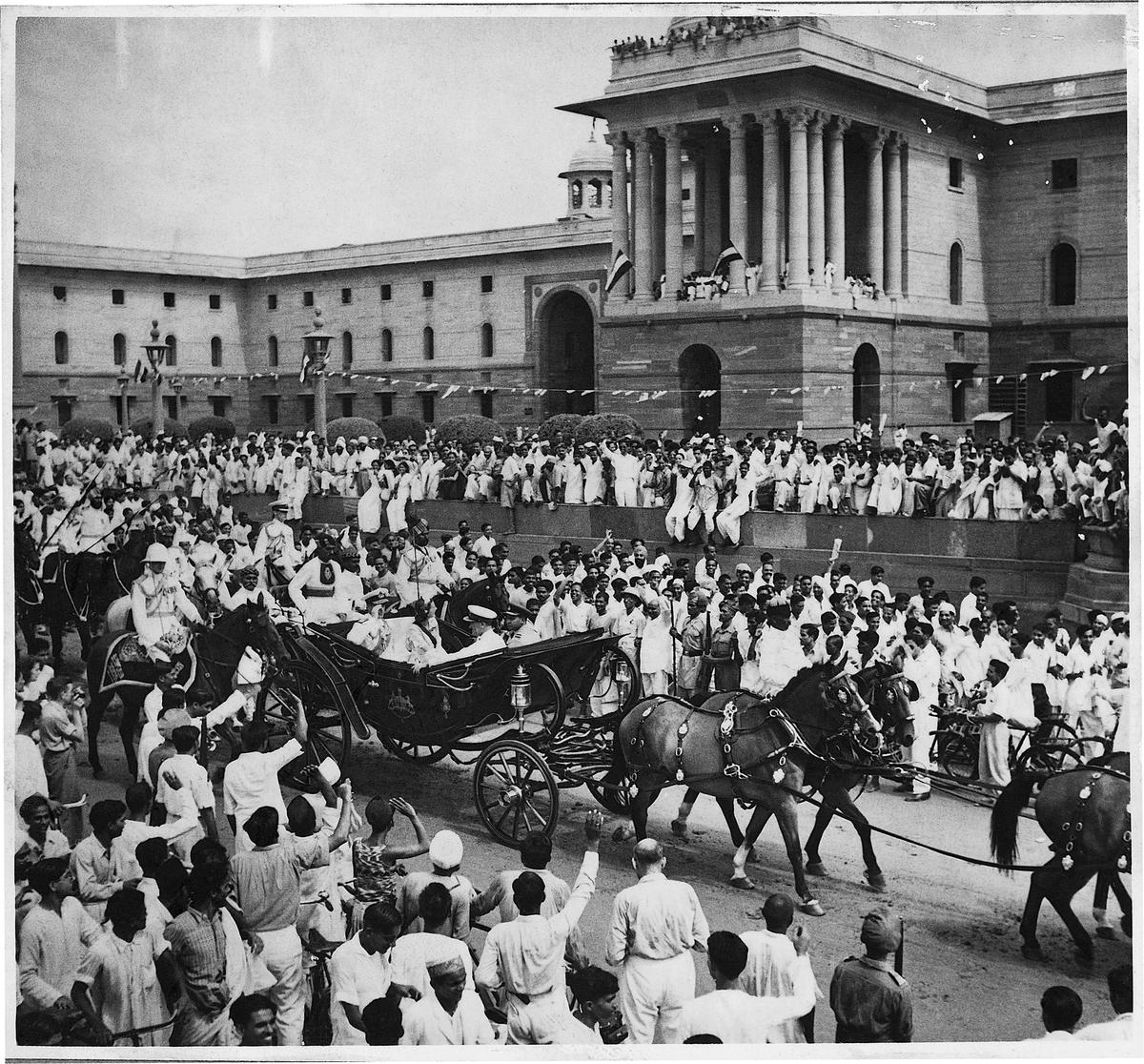
A jubilant crowd surrounded Lord Mountbatten at Vijay Chowk on August 15, 1947. Photo courtesy: Homai Wiravalla.
life behind the lens
Through his work with the British Information Services, Homai Vyarawala’s photographic career actually began in the 1940s, documenting everyday Bombay life and the many horrific events that took place during World War II. His empathetic approach and deep understanding of human drama allowed him to capture not only political events, but also the zeitgeist of the time.
Homai had the unique opportunity to witness and record important moments in Indian history, such as the end of the British Raj, the significant transition to independence and the subsequent establishment of a democratic republic. Icons like Mahatma Gandhi, Jawaharlal Nehru, Dr. Rajendra Prasad and Dr. Radhakrishnan became immortal through his lens. His photographs, editorial pieces and freelance work were published in Life, Span and other international publications, earning him respect both at home and abroad. Homai continued his documentation well into the 1960s, capturing candid images of “high society” and sometimes lighter moments of political leaders, such as Jawaharlal Nehru wearing a mask at a party, that would otherwise be lost to official history.
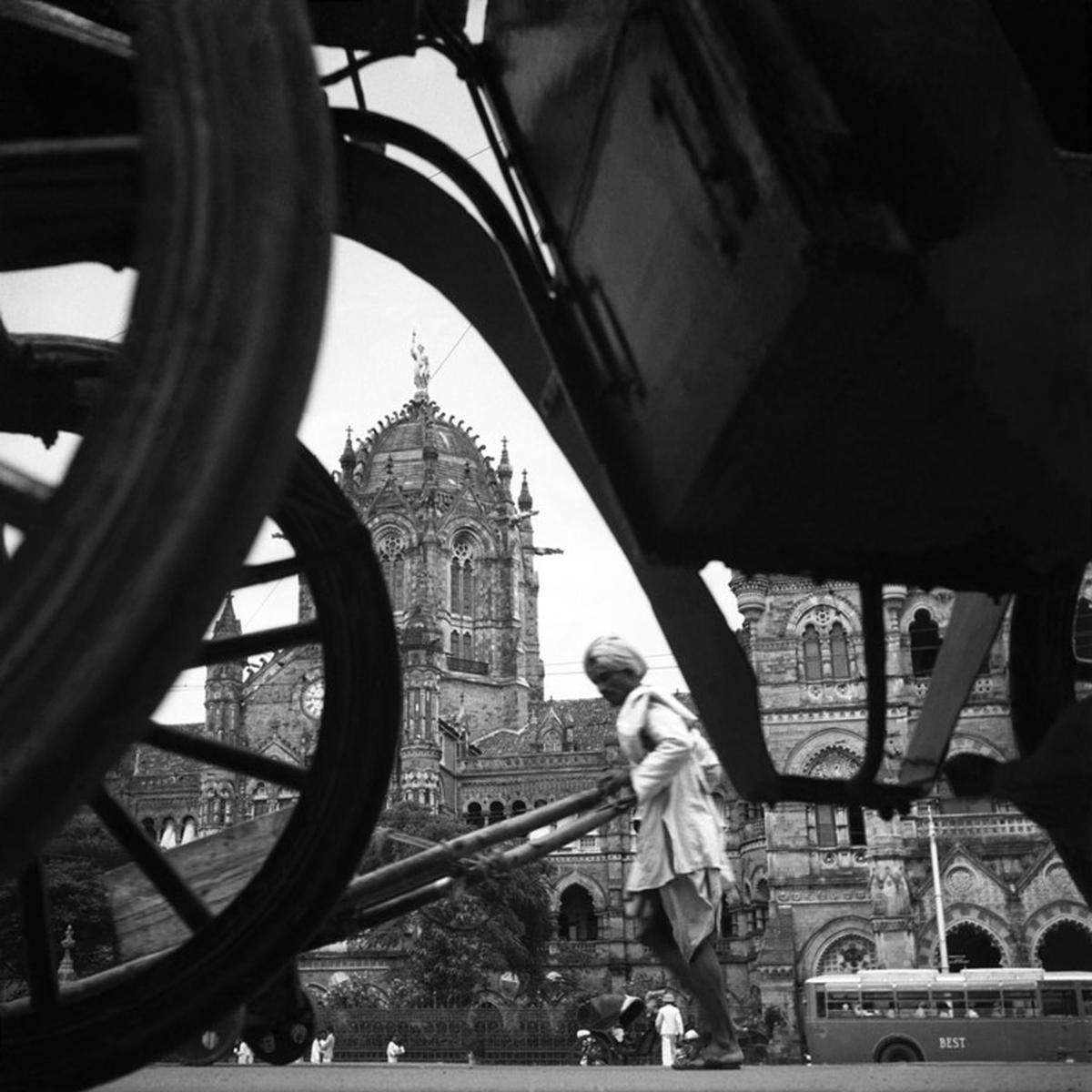
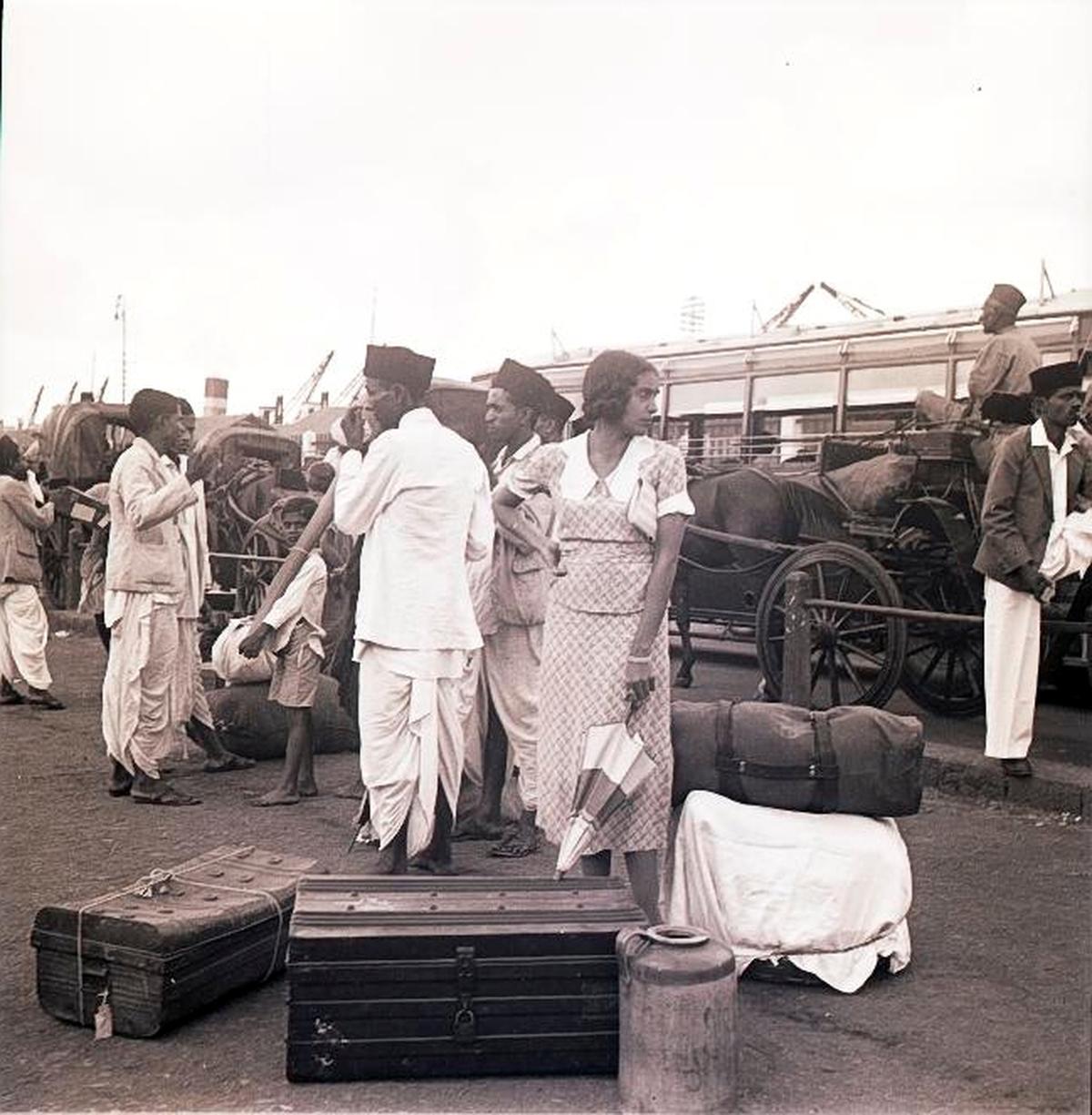
Victoria Terminus in Bombay in 1940. Photo Courtesy: Homai Wiravalla
breaking glass ceilings
As India’s first female photojournalist, Homai Vyarawala broke gender stereotypes in a field that had been dominated by men for many years. She paved the way for women not only in journalism and photography, but also in broader professional fields by daring to venture into fields that were considered inappropriate for women at the time.
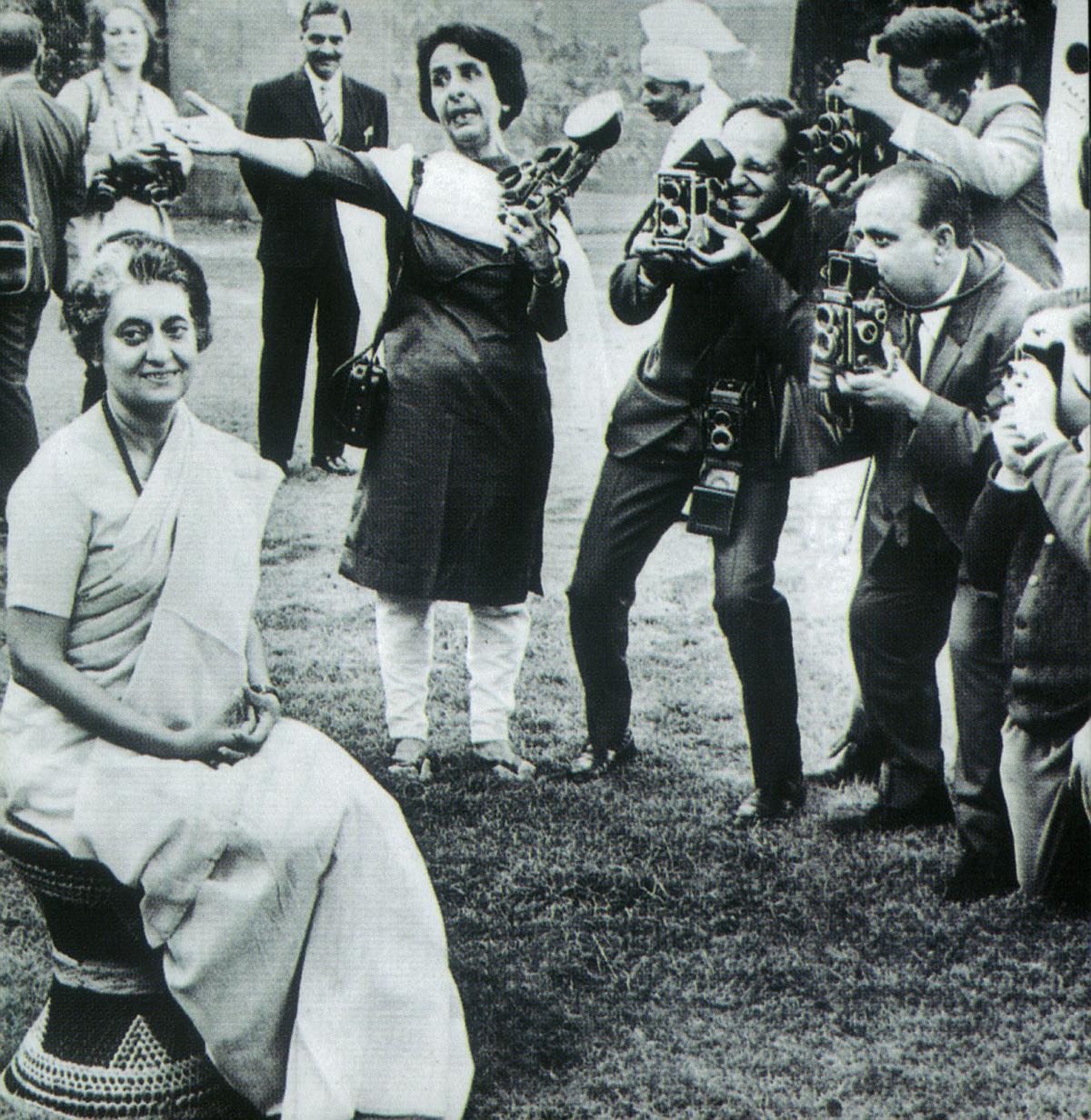
Homai was often the only woman with a camera.
In crowded press pools and official events, she was often the only woman with a camera, which led to suspicion, interest, and even mockery. However, his unwavering professionalism and artistic ability earned him the respect of both leaders and peers. He famously refused to pursue news for monetary gain and left the profession in the 1970s, frustrated by the rise of paparazzi culture, which intruded into private life.
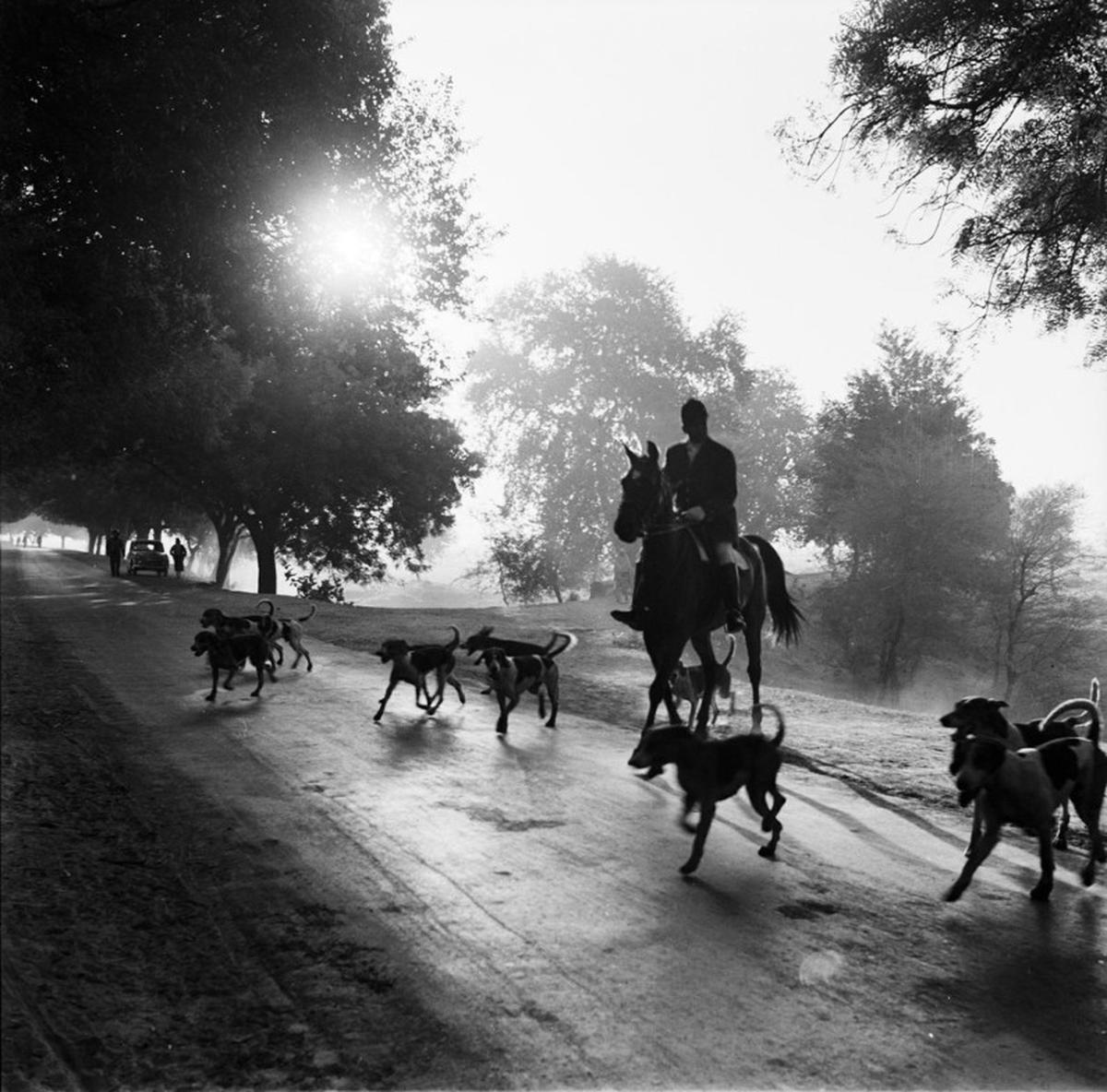
A fox hunt in Delhi under the leadership of Colonel Sahni. , Photo Courtesy: Homai Wiravalla
retiring from lens
After Manekshaw Vyarawalla’s death in 1969, Homai turned away from her career and moved away from Bombay and eventually settled in Baroda, Gujarat. During the last decade of his life he collaborated with the National Gallery of Modern Art in Mumbai, furthering his work and sharing insights with younger generations.
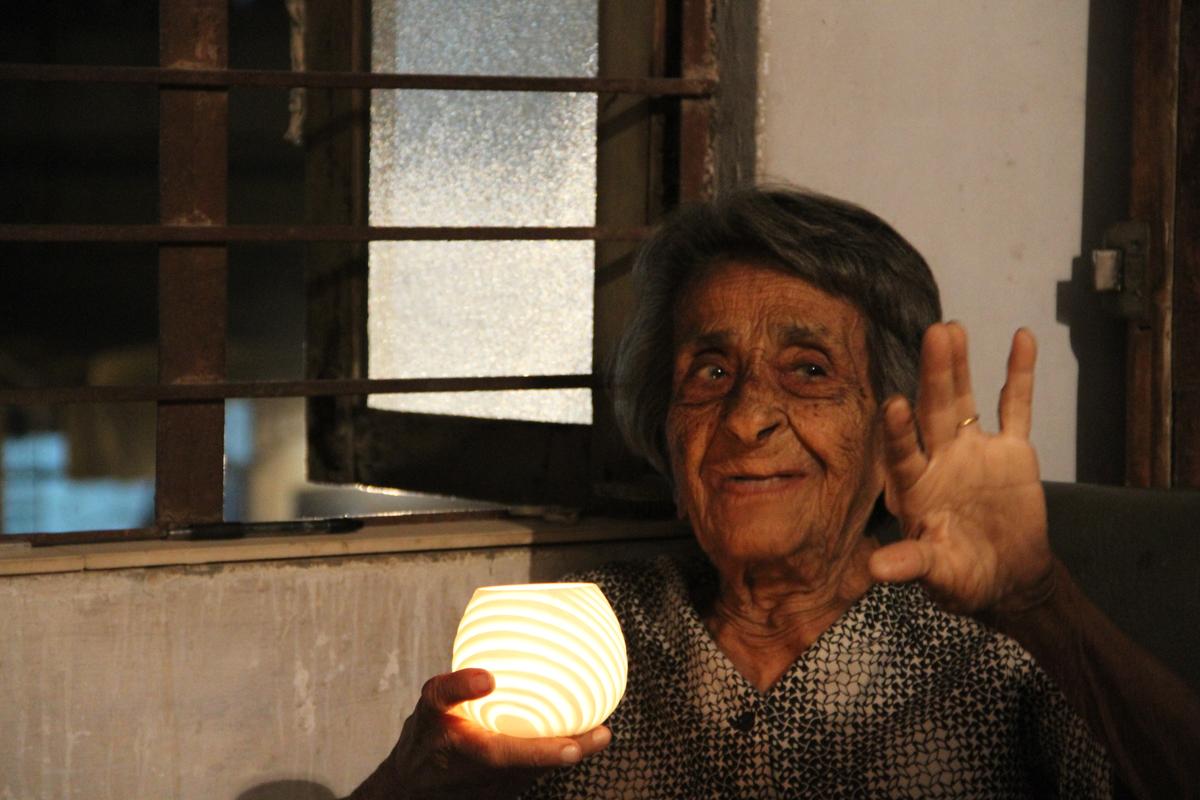
Homai Vyaravala
A recipient of the Chameli Devi Jain Award for Outstanding Women (1998) and India’s second highest civilian honour, the Padma Vibhushan (2011), Homai’s journey stands as a beacon of inspiration for anyone aspiring to pursue a low-key career path. Her photographic legacy is more than a gallery of snapshots – it chronicles the passing of one of India’s most turbulent and promising eras, and her memory lives on as an enduring symbol of artistic excellence and gender equality.
published – October 13, 2025 at 10:00 am IST