
When you go to watch a movie like ‘The Kerala Story 2’, you have to expect something. It might not be wise to expect specifics, but maybe bigotry and hate speech are just hateful, not angry—at least that’s what you hope. But then, how can you expect sensitivity from a film that wants to create a franchise based on oppression?
The second chapter of the 2023 film ‘The Kerala Story’, which took the Indian box office and political circles by storm, i.e. ‘The Kerala Story 2’ is now in theatres. Written by Vipul Amritlal Shah and directed by Kamakhya Narayan Singh, this sequel appears to be more aggressive, broad and bent towards a specific agenda than the previous part.
Story and Plot: The Journey from Individual to Society
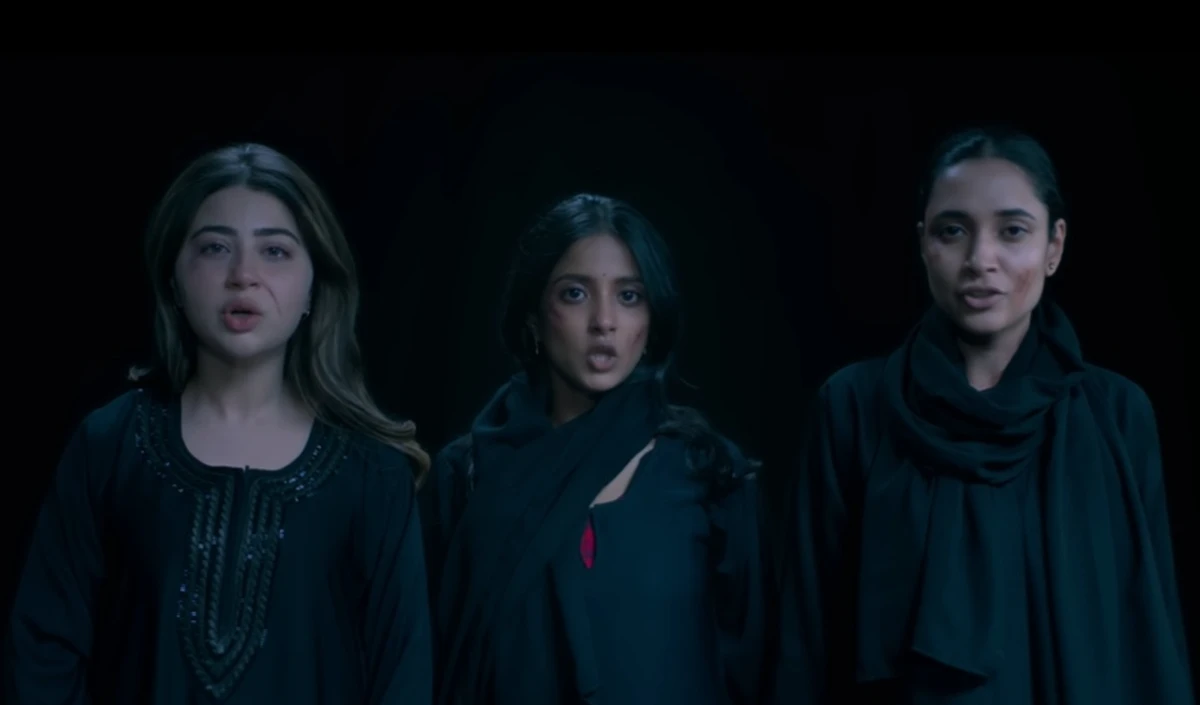
While the first film was limited to the individual stories of a few young women converting and joining ISIS, ‘The Kerala Story 2’ tries to establish a larger ‘demographic pattern’. The film tells the story of three girls from three different cities – Kochi, Jodhpur and Gwalior who fall in love with Muslim men. The narrative of the film clearly conveys the message that this is not a coincidence but a deliberate strategy. All the Muslim characters portrayed in the film – be it the seemingly liberal journalist or the husband who separates his wife from the family – ultimately turn out to be traitors and fanatics.
Also Read: Submarine attack on Iranian ship off Sri Lanka coast, 101 people missing, who carried out this operation?
An example of hatred and fear
The film’s cinematography and visuals are designed to instill fear in the audience: Hindu homes are shown as full of light, security and peace, while Muslim settlements are shot in cramped, creepy and mysterious shadows. The film shows women converts being humiliated, force-fed beef and their bodies used as tools for the ‘mission’. The film shows a cleric saying that the ultimate goal is to change India’s population and establish religious law in 25 years. This fear of ‘2047’ remains a background threat throughout the film.
Technical side and acting
The music composed by Manoj Muntshir and the background music of ‘Har-Har Shambhu’ make the film’s political bent more clear. As far as acting is concerned, there is little scope for ‘layered performances’ for the actors in such films. Here the characters are not written as flesh-and-blood human beings, but as warnings or examples of ‘propaganda’. Adah Sharma and other actresses have tried to bring out the pain of their parts on screen, but the one-sidedness of the screenplay dominates the acting.
Statistics and Controversy: Reality vs. Fantasy
The film is based on the claims of ‘love jihad’ and ‘demographic change’. However, official statistics often tell a different story from these claims: according to the 2011 census of India, the Hindu population was 79.8% and the Muslim population 14.2%. A 2021 report by the Pew Research Center states that the fertility rate of all communities in India has declined drastically. The Muslim fertility rate, which was 4.4 in 1992, declined to 2.6 by 2015, which is very close to the Hindu rate (2.1). The film puts the number as high as 32,000, but concrete evidence of such a large-scale organized conversion in legal and police records has so far been a matter of debate.
Also Read: IRCTC’s Amazing Goa Tour Package: Just ₹ 15,000 Includes Goa Travel, Accommodation & Food
Cinema or propaganda?
‘The Kerala Story 2’ is not a film that talks about the history of Kerala’s culture, literacy or any combination thereof. This is a film that seems to have been made with the sole purpose of instilling ‘disbelief’. It seems to rush to a conclusion by taking away the audience’s ability to question.
The Big Question: When cinema presents the entire society as a mere ‘threat’, what effect will it have on the society that exits the theatre? Does the film provide a sense of security or only deepen the lines of division?