Quiz | Easy as Sunday morning: all about crosswords
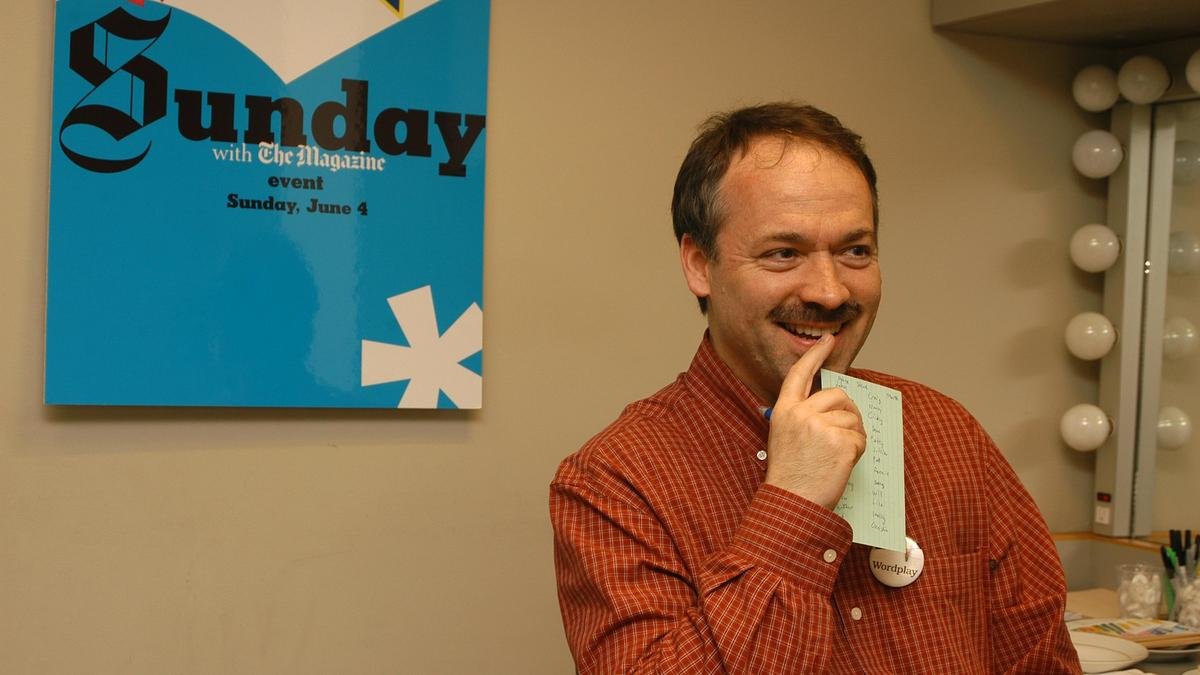
New York Times crossword puzzle editor Will Shortz graduated from Indiana University with a degree in the study of puzzles.
start quiz
1 / 10 | On December 21, 1913, the New York World published a diamond-shaped puzzle containing 32 clues by journalist Arthur Wynne. It had a title that referenced the nature of the puzzle. Unfortunately, due to a typesetting error, the order got messed up and has since been referred to by a different name. What was the original title of this puzzle?
2 /10 | On February 5, 2022, the NYT Crossword had a perfect clue by Stephen McCarthy: ‘Better of the two sci-fi franchises’. It was a quantum puzzle because either answer would have worked. What are two options that start with the same four letters and involve interstellar adventures?
3 / 10 | Leonard Dawe, a school headmaster in Surrey, compiled the crossword for The Daily Telegraph. In May 1944 the answers to his puzzles were ‘Utah, Omaha, Neptune and Overlord’. This made the British Secret Service suspicious and they interrogated him for espionage. Later, it was revealed that, coincidentally, they were codewords in a historic military operation. What was the incident?
4 /10 | Of the many types of crossword, the most popular in Commonwealth countries is one where the clues are the puzzle itself. There will be an element of wordplay and a definition that is a direct reference to the answer. What word is given to these crossword puzzles: “Disturbing – like this clue (7 letters)”?
5 /10 | The term for the white squares in crossword puzzles comes not from their color, but from the fact that they indicate the answer. What word is this, that is – “not heavy, but bright” (5)?
6 /10 | Crossword setters use a number of clever methods to point the player towards the answer. A wordplay is indicated by words such as ‘scrambled’ or ‘mutated’. What word play is this, seen in clues like: “Pay attention to silent moves (6)”?
7 /10 | New York Times crossword puzzle editor Will Shortz graduated from Indiana University with a degree in the study of puzzles. ‘______tology’ was coined by him, and currently he is the only person with this degree. What is the term that can also be described as “mystery rearrangement in the game (6)”?
8/10 | Another form of wordplay is to hide the answers within clues. What kind of clue is this: “All clever puzzles often seem to frighten, confuse beginners” – this is a kind of clue! (8)
9 /10 | Although a cryptic crossword may contain a lot of word play, the clue should read like a normal sentence. The term given to it refers to the appearance presented by the clue: “The outer part of a car fuse, after melting (7)”. Which word is this?
10 / 10 | An interesting convention when setting a crossword puzzle has its roots in its aesthetic appeal. This ensures that the puzzle still works if the newspaper is removed, but it also ensures consistency in word length. Which conference is this?