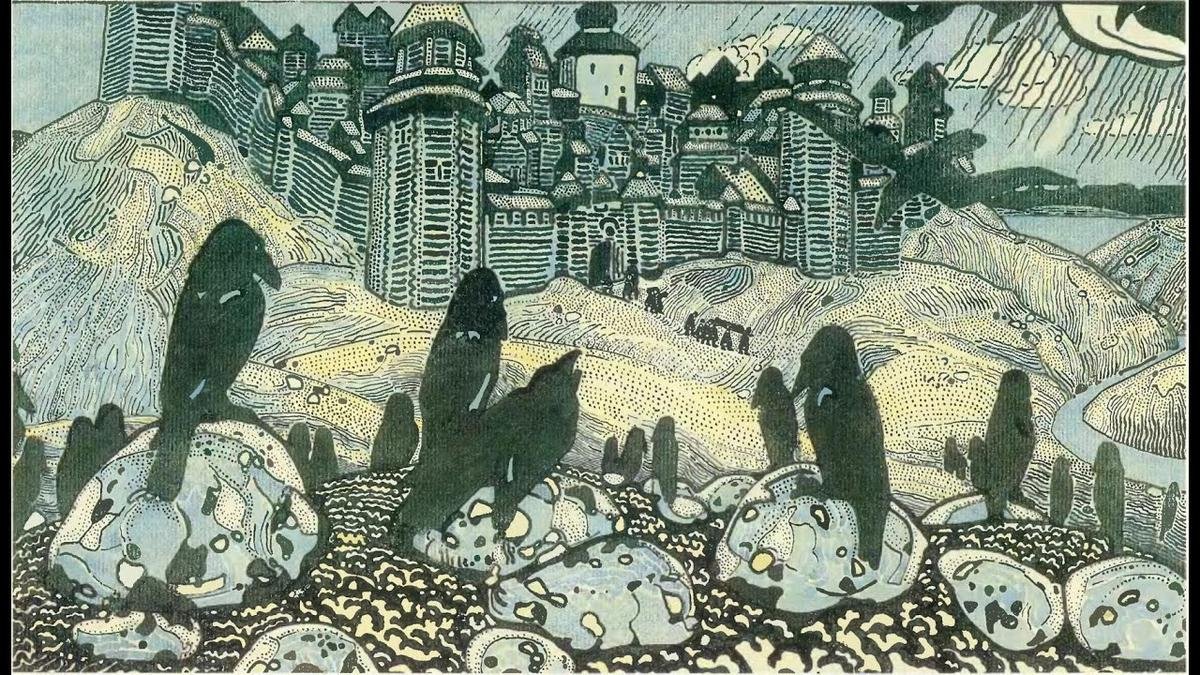

German philosopher and critic Walter Benjamin in his book The work of art in the age of mechanical reproduction, Published in 1935, it argued that mechanical reproduction would devalue the aura of art. Mechanical reproduction did not succeed then and AI will not succeed now. Johnny ML, senior art curator, Dhumimal Art Gallery, says, “When everything is mediated through digital and mechanical devices, people look back and see how prints can be produced using different materials and processes. That retro, handmade charm has become important again.”
The show Print Age: A Landmark Survey of Printmaking in the Era of AI, curated by Jonny at Dhumimal Art Gallery, has been designed in the same context.
The show brings together 156 prints by 80 artists. The show features modern masters, senior Indian printmakers and young practitioners experimenting with the medium today. Uday Jain, director of Dhumimal Gallery, says, “Today, collectors are beginning to understand not only the historical, but also the material value of limited edition prints by established master printmakers. There is a resurgence of interest in print processes across the world, and exhibitions like this seem a must for India.”
The show includes works by artists such as Anupam Sood, Laxma Gaur, Jyoti Bhatt, Prabhakar Kolte, Jeram Patel, Pablo Picasso, Marc Chagall and Anish Kapoor to name a few. These artists represent the full range of printmaking – woodcut, linocut, lithography, serigraphy, chromolithograph, etching, drypoint, aquatint and viscosity printing.
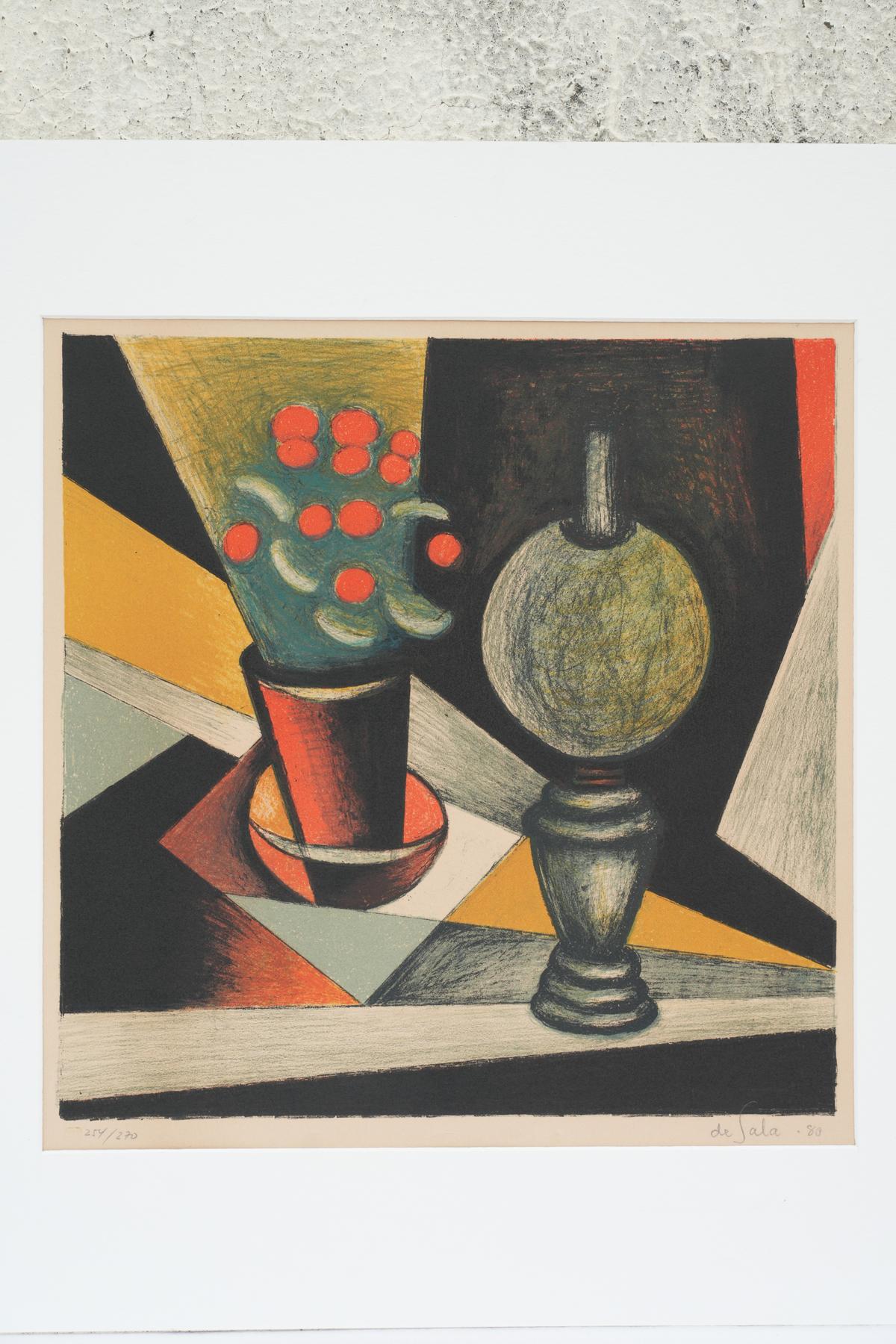
Some require carving the material, others rely on chemical processes or drawing images directly on stone or metal plates. Artists run heavy presses and use equipment that is loud. Printmaking is physically demanding and even dangerous. Years ago, Anupam Sood, one of the country’s leading printmakers, showed me in his studio the scars on his hands, partly caused by the chemicals used in the process. Anupam was part of Group 8, a pioneering group of printmakers formed in the 1970s by her teacher Jagmohan Chopra to enable artists to practice printmaking and promote the genre.
Jonny believes that printmaking has long been misunderstood as mere reproduction. “Printmaking has always been seen as a genre because it can be reproduced but reproduction has always been controlled through limited editions. If you create a work, it may be limited to 10 or 12 signed editions. Printmaking is not just about multiple production. It is also about creating the image, creating the matrix. Human intervention and creativity are at the heart of it.”
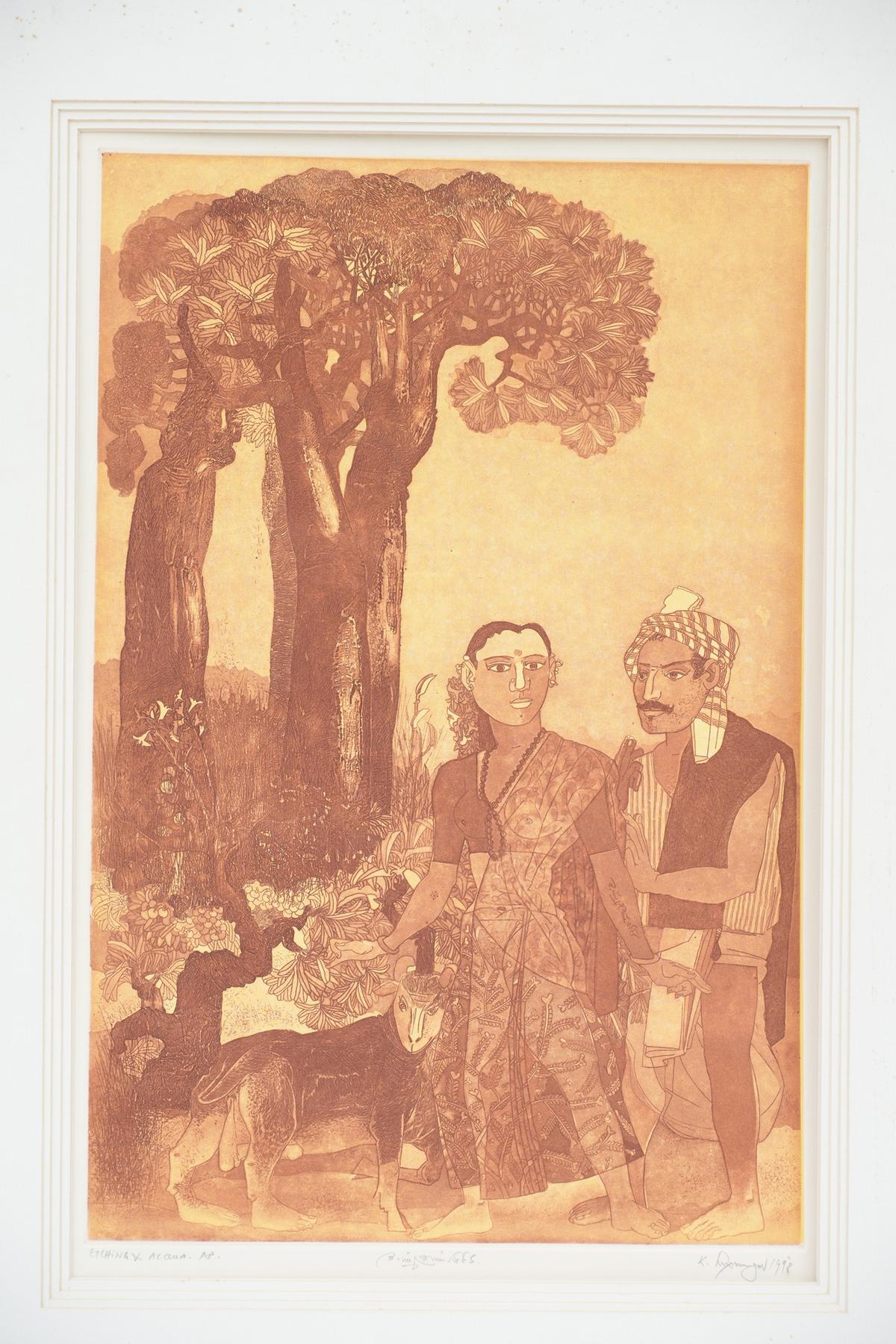
The exhibition includes works from important private and institutional collections in Baroda, Ahmedabad and Delhi. Johnny explains, “The easiest way to display is with a woodcut or lino print. Other methods involve heavy machines. So we have arranged workshops during the exhibition. Visitors can actually try to make a woodcut print.”
While this medium is considered secondary to painting or sculpture because of its reproducibility, it is this very quality that has helped in its revival. Limited editions signed and controlled by artists have made prints more accessible to young collectors and first-time buyers.
Senior printmaker Anand Moy Banerjee, who is part of the printmakers’ group, Multiple Encounters, says printmaking has been booming in the last few years. At the show, Anand is exhibiting a work titled The Glowing Orange, which is a serigraph that depicts man and nature. In serigraph, ink is passed through a mesh screen onto the paper or fabric, leaving areas blocked by the stencil. Each color is printed separately in layers.
The exhibition continues till March 15 at Dhumimal Gallery, G 42, Outer Circle, Connaught Place, New Delhi.
published – February 26, 2026 02:01 PM IST