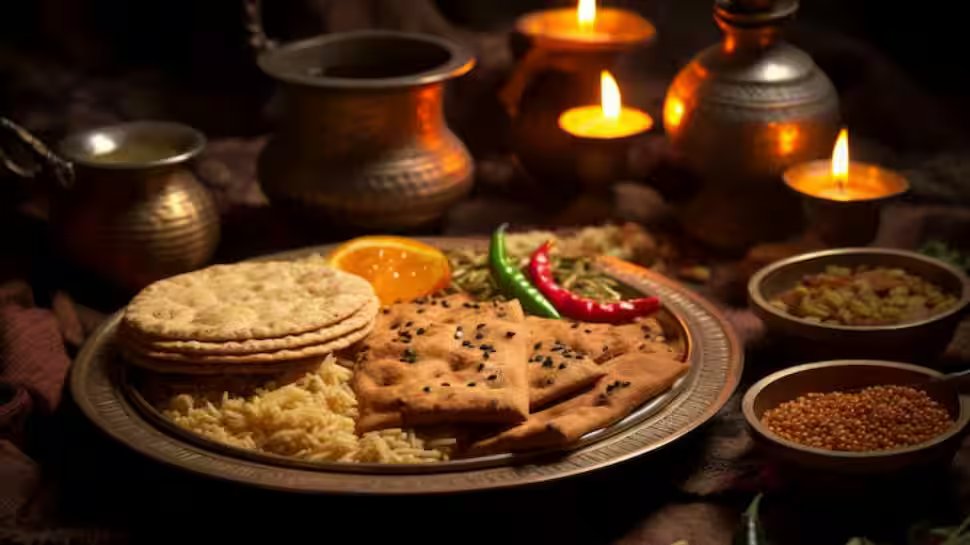

Every year during the sacred Magh Mela in Prayagraj, thousands of Kalpavasis reach the Sangam to enjoy a month-long spiritual retreat filled with simplicity, discipline and devotion. While a lot of attention is paid to their rituals, early morning holy dip and rigorous lifestyle, an equally important but under-appreciated aspect of Kalpavas is the food they eat. Kalpavasi Kitchen completely follows the Satvik philosophy – pure, minimalist and deeply symbolic.
What is Kalpavas and why does food matter?
Kalpavas is a spiritual fast observed during the Hindu month of Magha (January–February), where devotees give up comforts and worldly pleasures and live on the banks of a river. Food, in this context, is not about taste or abundance but about purification of body and mind. The concept is simple: What one eats directly affects thoughts, discipline, and spiritual focus.
Add Zee News as favorite source
Basic principles of Satvik diet
The Kalpavasi diet is guided by the sattvik principles rooted in ancient Hindu philosophy. Satvik food is considered pure, light and conducive to mental clarity. It avoids ingredients that are believed to stimulate excess desire, aggression or lethargy.
Key principles include:
- Freshly cooked food, prepared daily
- Minimal spices and oil
- no onion or garlic
- Simple cooking methods such as boiling or simmering
- Food is cooked and eaten with prayer and meditation
What do Kalpavasi usually eat?
Despite its simplicity, Kalpavasi food is nutritious and balanced, designed to sustain the body during cold days and difficult rituals.
1. Khichdi and plain grains
Khichdi made from rice and moong dal is prominent. Being easy to digest and hot, it provides essential carbohydrates and proteins without burdening the body.
2. Breads made from coarse grains
Rotis made from flour, jowar or millet are common, providing sustained energy during long fasting periods and outdoor life.
3. Seasonal vegetables
Locally available vegetables like pumpkin, gourd, radish and potato are cooked with salt and mild spices. These vegetables are selected for their sattvik nature and seasonal suitability.
4. Milk and Dairy
Milk, curd and sometimes homemade butter are consumed in small quantities. Dairy is considered satvik and nutritious, this is especially important during the harsh winter mornings at the Sangam.
5. Fruits and soaked dry fruits
Fruits are an essential part of the diet, especially during partial fasting days. Sometimes soaked almonds, raisins or peanuts are also added for strength.
which is strictly avoided
Kalpavasis consciously avoid foods that are believed to disturb the spiritual balance. This also includes:
- onion and garlic
- meat, fish and eggs
- Extra salt, spices and oil
- canned or processed food
- stale or reheated food
- Even tea and coffee are often skipped, replaced with warm milk or plain water.
Spiritual reasoning behind food
For Kalpavasis, food is an act of discipline rather than an indulgence. It is believed that the Satvik diet:
- Support meditation and prayer
- reduce physical cravings
- Increase self-control and detachment
- keep the body light and mind calm
- Food is often prepared in silence or accompanied by devotional chants, reinforcing the idea that nourishment is both physical and spiritual.
A lesson in living a conscious life
The Satvik kitchen of Magh Mela reflects a larger philosophy of conscious life. In an age of excess, the Kalpavasi way of eating stands as a reminder that simplicity can be sustainable, and moderation can be empowering. His diet is not about denial, but about harmony between body, mind and faith.
(This article is for your general information only. Zee News does not confirm its accuracy or reliability.)