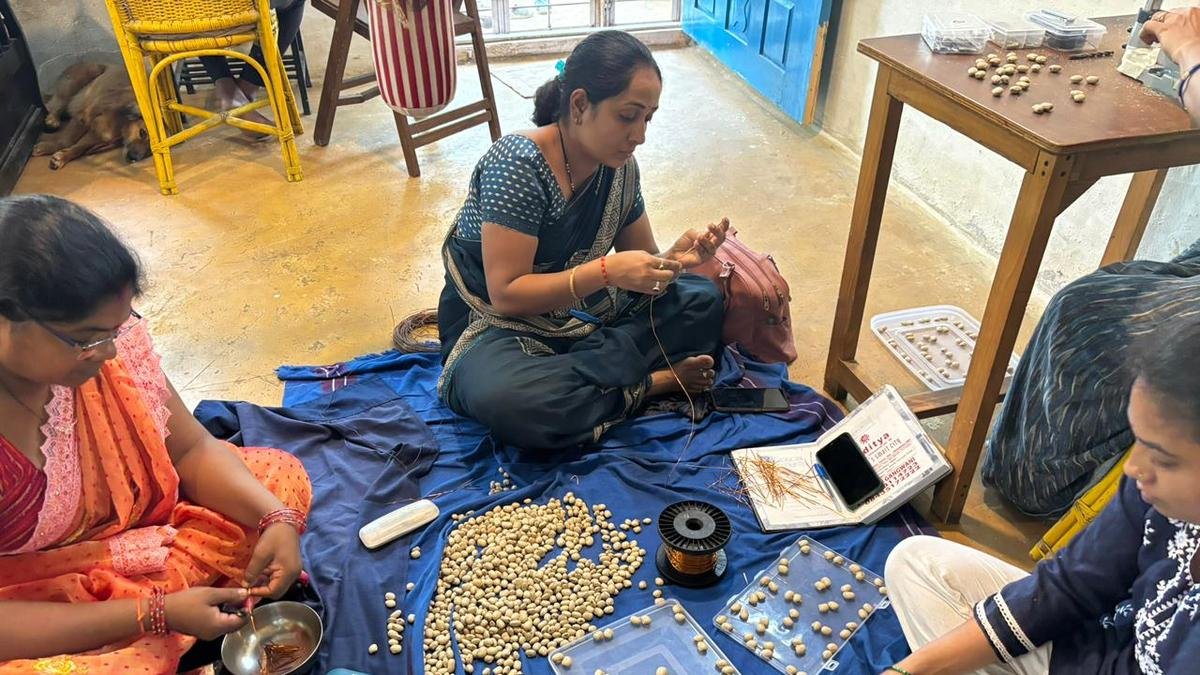

The Village Art Project, a rural collective based in Paradsinga village on the border of Nagpur district of Madhya Pradesh and Maharashtra, marks 12 years of sustained community-led work. Today, the village has become a source of livelihood and collective strength for about 350 members, most of whom are women, from 14 neighboring villages in both states. The collective brings together artists, artisans, farmers, agricultural workers, weavers and students.
The four-member team of Village Art Project is in Hyderabad for the Natural Dye Handmade Festival, organized by India Handmade Collective at Telangana Council’s CCT Space in Banjara Hills from December 19 to 21.
Founded in 2013 by artist Shweta Bhattad, a Fine Arts graduate from Maharaja Sayajirao University of Baroda, the initiative grew out of her decision to move away from a traditional art career. Inspired by the need to connect art with lived realities, Shweta and a group of colleagues began organizing art residencies, combining creative practice with discussions on concerns related to women’s issues, child welfare and farming.
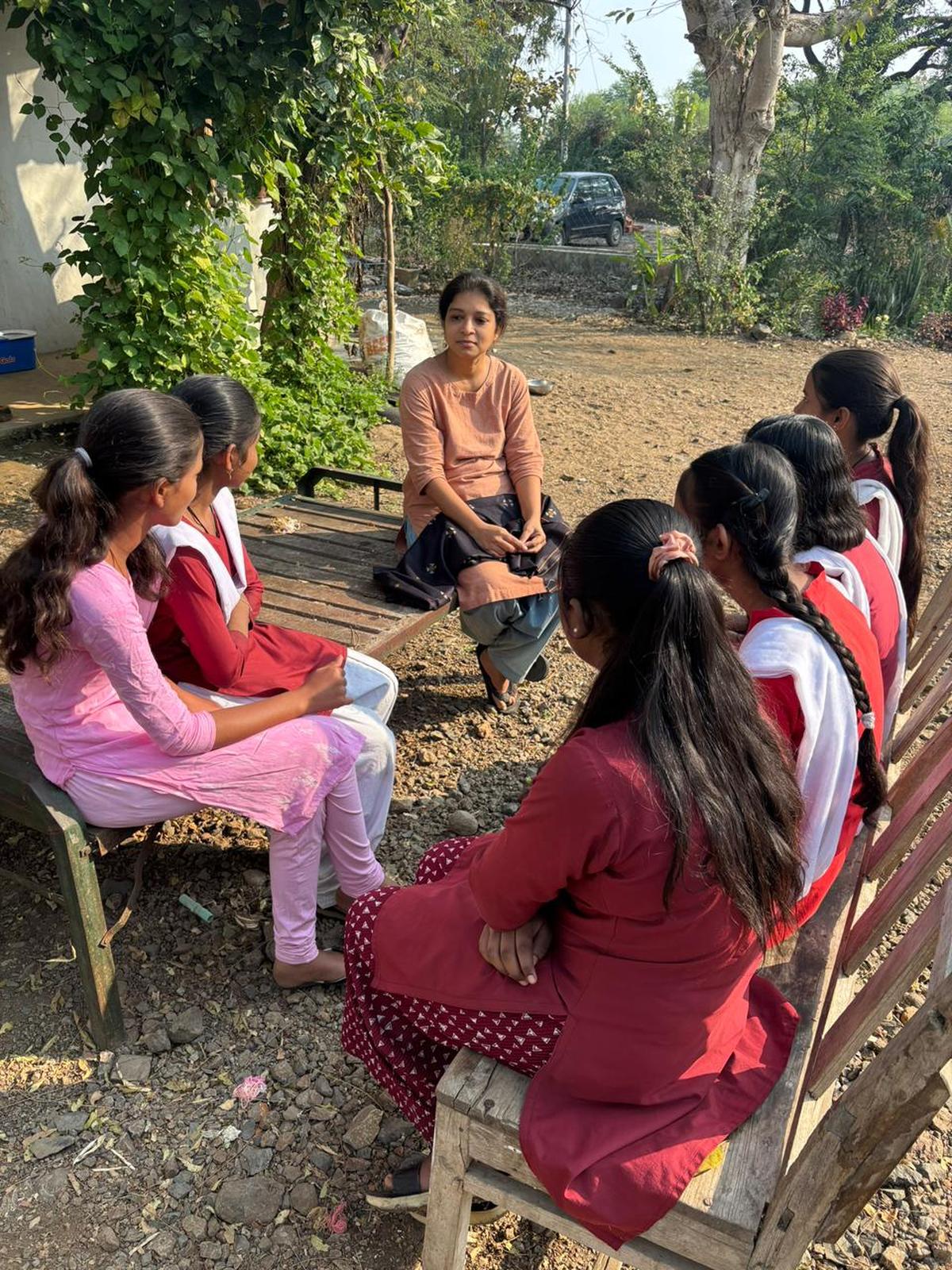
Shweta Bhattad tells the government school students of the village about alternative ways of farming, living and earning livelihood from it. The girls come from farming families or have farm labor backgrounds. , Photo Credit: Special Arrangement
“We wanted to address real issues while developing skills that support both personal and professional development,” she says.
For a green environment
Product development of sustainable clothing, seed jewellery, seed fauna and seed library and fodder material in collaboration with Dhimar community, who are forest dwellers and foragers, making seed paper, acoustic boards and paper from crop waste. and seed bands and other products of indigenous cotton yarn
Arts residencies brought together diverse voices from the community. Using art and performance as tools, participants addressed issues such as open defecation, lack of safe play spaces and the need for open dialogue. “The aim was to gradually change beliefs, create opportunities for yourself, make informed lifestyle choices, and encourage behavior and mindset change as an ongoing process,” she explains.
helping each other

Screen Printing Using Indigo Photo Credit: Special Arrangement
With a focus on building internal skills, the collective began learning cotton farming and multi-cropping farming, through shared labor and support. Although women constitute a large part of the rural agricultural workforce, they rarely benefit from crop yields due to limited control. Seed-saving became a turning point, allowing members to reclaim agency as well as add natural colors to the raw cotton fibers used to make rakhis.

The process also gave rise to difficult conversations. “Some women question the very idea of Rakhi,” says Shweta. “They’ll say, ‘I run the house. Why do I need security?'”
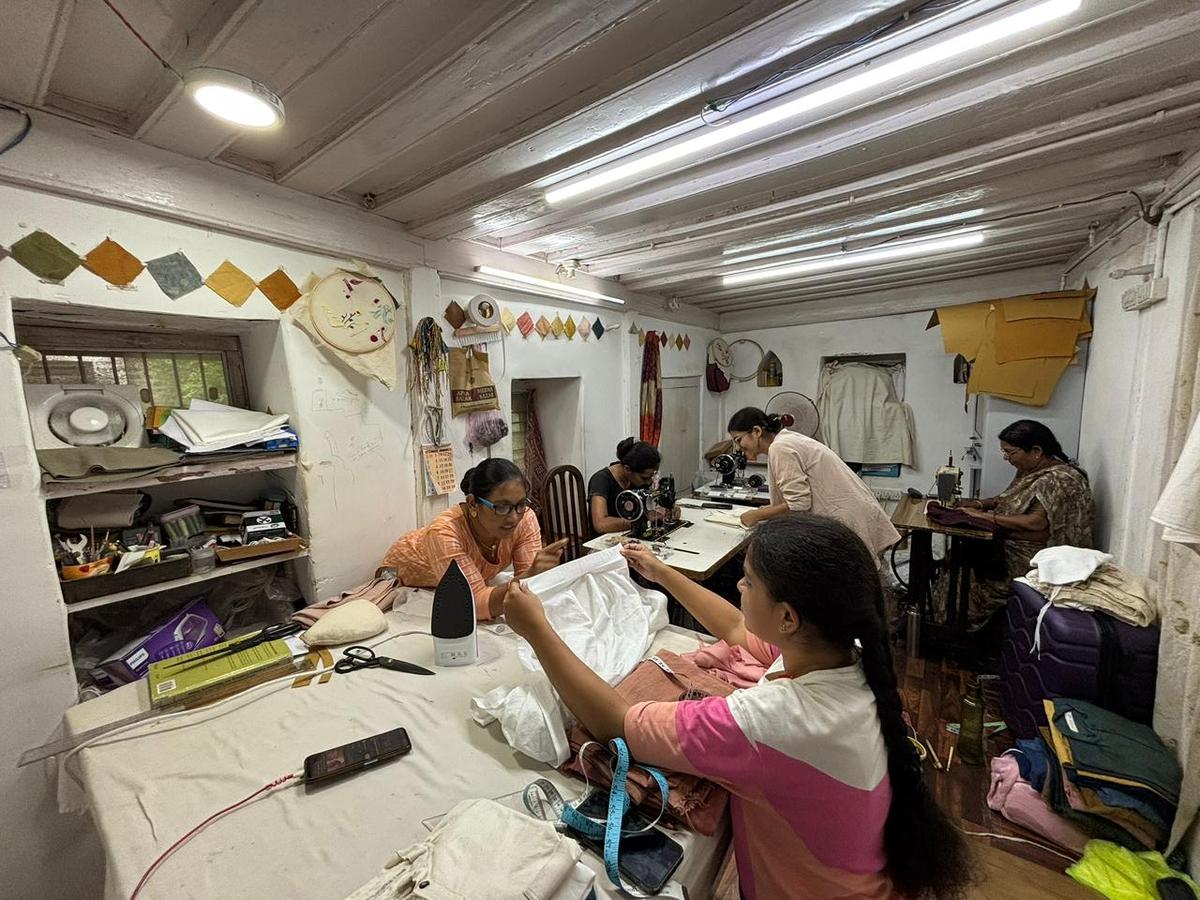
Sewing Unit | Photo Credit: Special Arrangement
Over time, initiatives such as cotton stains, Jungle Jamaat And cotyledons Members are helped to become local change-makers, embedding sustainability into everyday life. What started as a seed bank with 20 women from two villages has grown to 350 women from 14 villages. While full-time employment remains a challenge, members now have work about eight months a year.
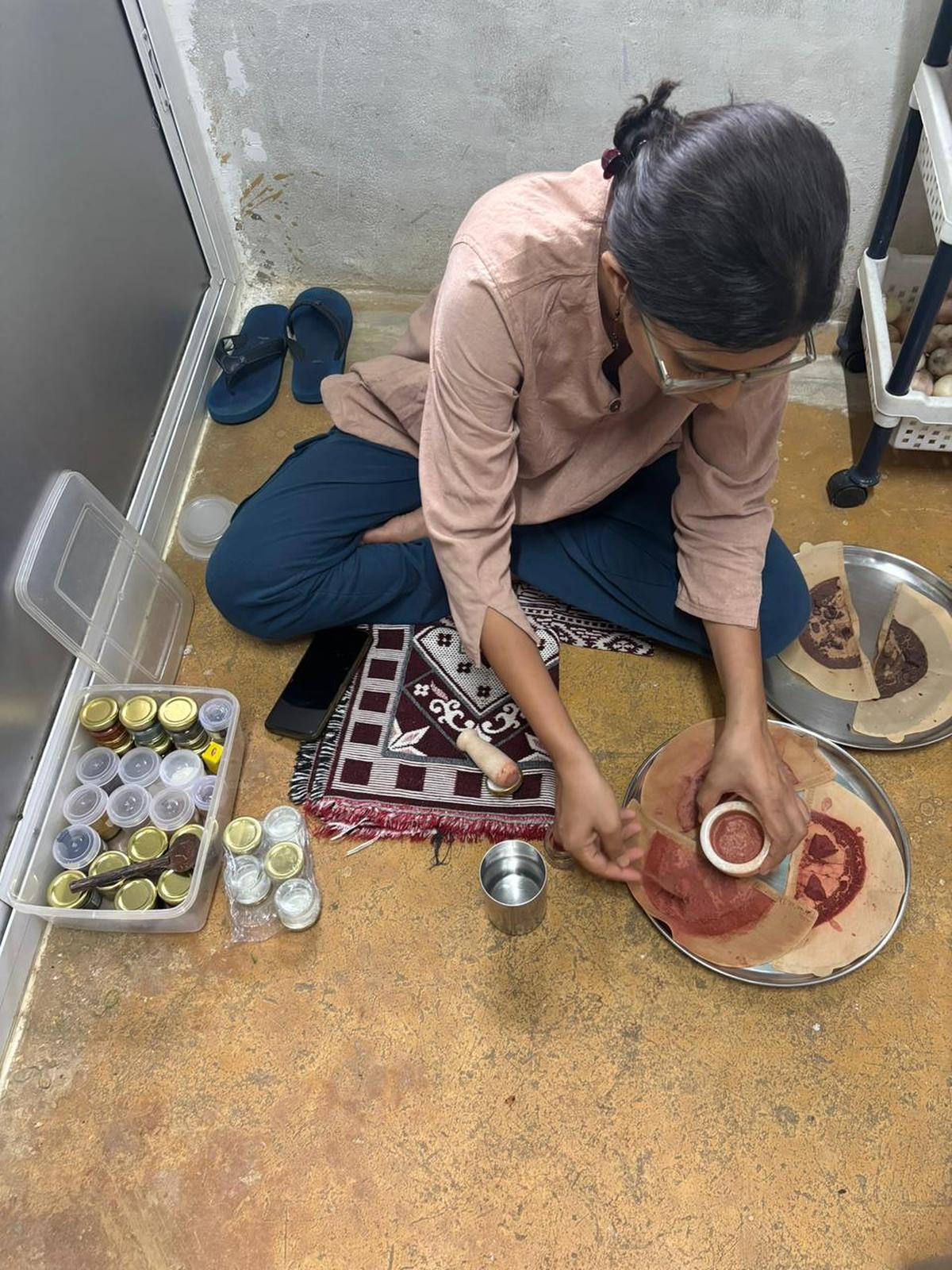
Making organic colors from roots, leaves, steam, flowers and seeds. Photo Credit: Special Arrangement
blanket houseThe three-year-old programme, focuses on the creative education of children. Working with government schools and their own community spaces, the team encourages children to create paper, clay, natural colours, tools, demonstrations and stories using materials around them.

For Village Art Project, art is not just a profession but a way of life. From seed paper and jewelery to crop-waste acoustic boards, land art and live performance, all the work is based on social and ecological responsibility. “We are expressing rural life as it shapes us, and how we shape it,” says Shweta.
published – December 19, 2025 05:07 PM IST