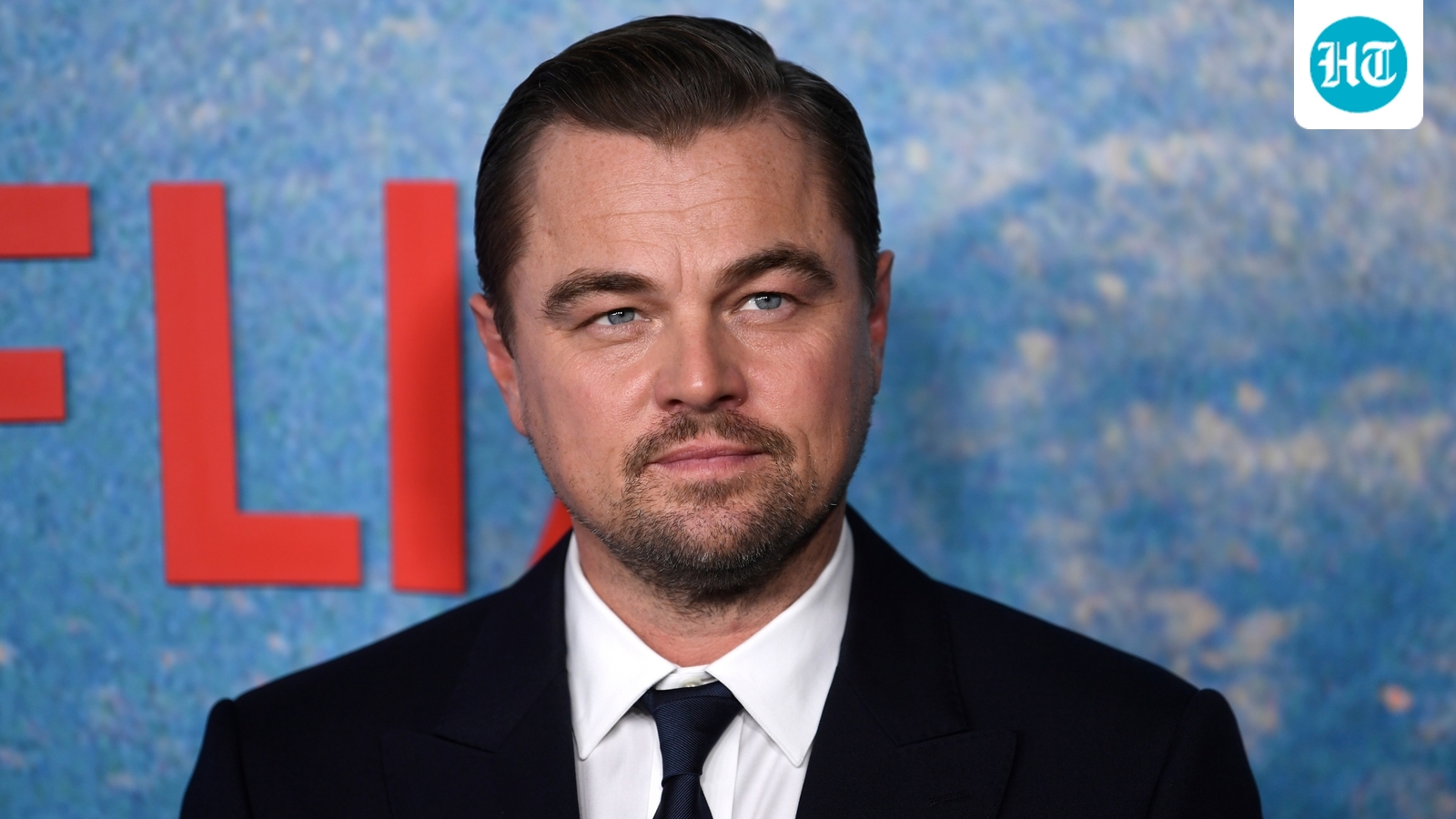
On June 17, 2014, Leonardo DiCaprio walked into the U.S. State Department’s “Our Ocean” conference and made a big promise. according to TIME’s report on the incidentHe pledged to donate $7 million through his foundation to ocean conservation over the next two years. This funding was for groups and communities to establish marine sanctuaries. It was the same speech on the same day, but it was based on an earlier speech given by his foundation and showed what can happen when celebrity attention turns to scientific work.
Why does the ocean matter to him?
Before becoming an actor, DiCaprio wanted to become a marine biologist. He said it in his speech, and the TIME page includes a transcript of it. He told the audience that he had been fascinated by the ocean from a young age and described himself as an avid diver. He said the Great Barrier Reef, where he first dived about 20 years ago, was by then filled with bleached coral and large dead areas. He went to Cocos Island in Costa Rica and witnessed illegal fishing boats entering the waters of one of the few shark sanctuaries in the world. Describing weak enforcement in the oceans, he bluntly stated: “It’s the Wild West on the high seas.”
From promise to project
A pledge action does not arise until the money is delivered. US State Department An update on the commitments made at the 2014 conference was released in a fact sheet on October 5, 2015. It says the Leonardo DiCaprio Foundation awarded more than $4 million in 2015 to new ocean conservation projects around the world. The Foundation worked with key partners to create new large-scale marine reserves in four regions: the South Pacific, the Indian Ocean, Arctic, and Antarctica. It also supported efforts to stop the trade and overfishing of endangered sharks. It also worked with partners in Indonesia and Somalia to help local communities protect their coastal waters.
What is a marine sanctuary and does it work?
A marine protected area is like a park, but underwater. Fishing is prohibited in some protected areas. In others, it is completely prohibited, and these are called no-take marine reserves. in 2018 Article In ICES Journal of Marine SciencesScientists Enrique Sala and Sylvain Giacoumi make a strong case for them. The pair argue that no-take reserves allow fish populations to recover and ecosystems to become more complex and resilient. But they caution: Reserves aren’t the solution to all the ocean’s problems.
The authors also highlight a major difference. As of March 2017, only 3.5% of the ocean was in protected areas, and only 1.6% was in strongly protected, no-take areas. That has changed since then. In April 2026, IUCN and UNEP-WCMC reported that 10.01% of the ocean was officially designated within protected and protected areas, which is a broader measure than the 2017 figure as it also includes areas that allow sustainable use. The UN High Seas Treaty also comes into force in January 2026, and governments have committed to conserving 30% of the Earth’s land and seas by 2030, so the push for more reserves still matters.
why time matters
Earlier in 2014, DiCaprio’s foundation gave a $3 million grant to ocean group Oceana, Time notes. On the day of his speech, it was revealed that President Obama would significantly expand marine sanctuary protections in the Pacific Ocean. DiCaprio praised the work but said governments needed to do more. In their view, fragile marine areas are being destroyed because enforcement is weak and countries do not cooperate enough. He did not claim that money alone would solve the problem.
What does it mean to you
You don’t have to be a celebrity or rich to care about this. Ask where your seafood comes from, follow marine groups in your area and listen when leaders talk about protecting the ocean. But one vow or one habit can’t fix everything. DiCaprio himself said more needs to be done, and scientists say the same about the reserves. What’s left is the hard part, which is making the reserves real and keeping them in force.