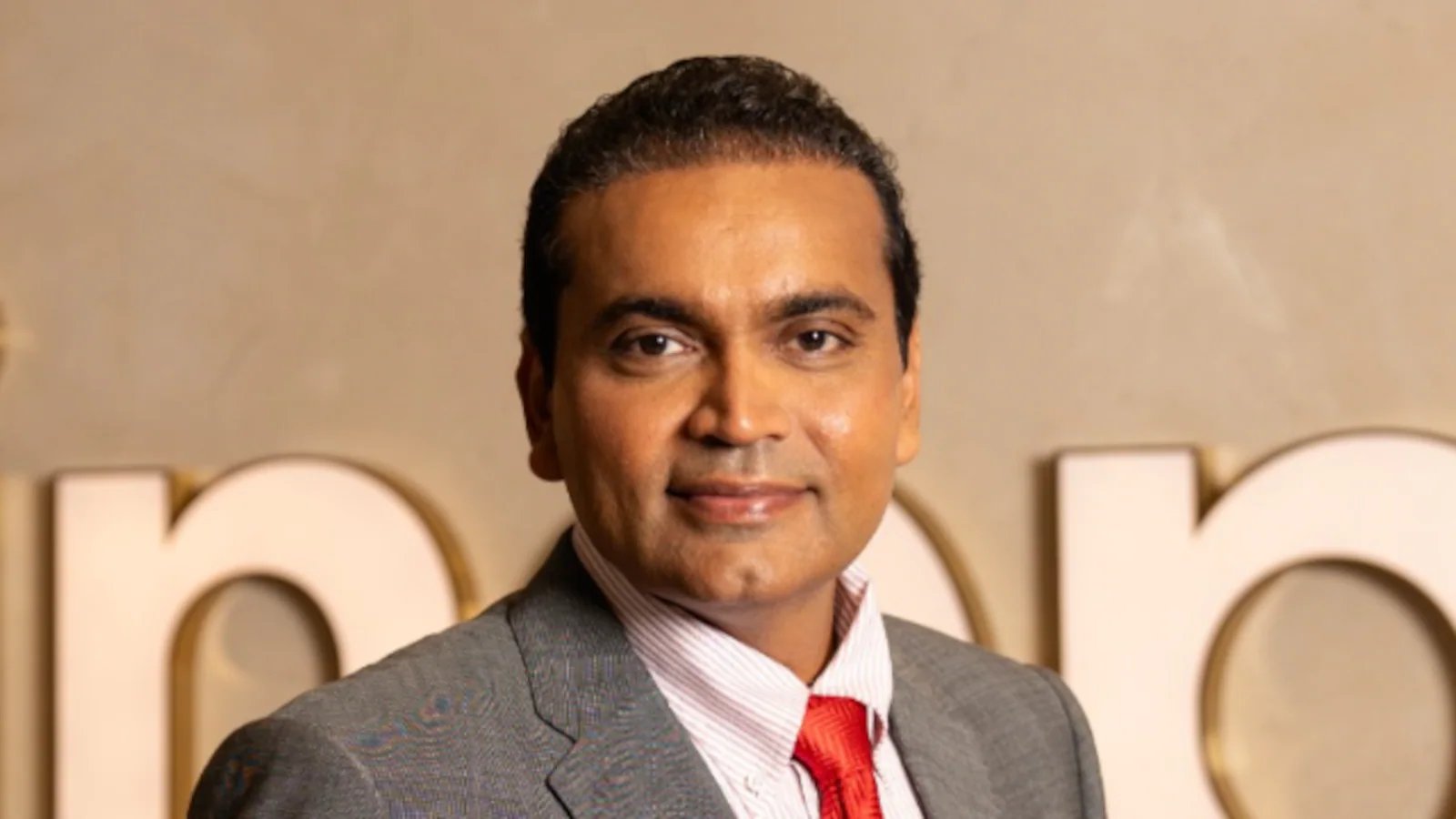
Cinepolis India managing director and member of the Multiplex Association of India (MAI) Devang Sampath has warned that the proposal to increase the tax on cinema tickets by around 570 per cent has raised concerns among cinema operators that higher ticket prices could push audiences away from theaters and ultimately affect government revenues.
Sampat said that the industry has not received any official communication from the government about the reported proposal and came to know about it through media reports.
However, he said the industry is preparing to raise its concerns, especially at a time when cinema footfall is yet to return to pre-Covid levels.
According to Sampath, the industry will raise three important issues with the government. The first is the ‘one nation, one tax’ principle, while the other two concerns relate to ease of doing business and the impact of higher ticket prices on consumers.
He told NDTV, “We are going to the government with our concerns, and there are three main points. The first is that we all talk about ‘One Nation, One Tax’. If different types of taxes are levied, it undermines the objective of ‘One Nation, One Tax’. The second issue is that it may also affect the ease of doing business in India, as the tax structure will become more complicated.”
However, Sampath believes that the biggest concern is the sensitivity of Indian audiences to cinema ticket prices. Even a small increase can affect footfall, he said.
“Most importantly, ticket prices in India are very sensitive. In our research, we have seen that if the average ticket price increases by just Rs 3-4, footfall starts to decrease.”
He further pointed out that the decline in footfall will not only hurt cinema operators and filmmakers but may also reduce the revenue to the government.
“We already pay tax to the state and central governments on the ticket price. But if the increase in ticket prices changes consumer behavior and reduces footfall, it will eventually affect the government’s revenue as well,” he said.
“Production will come down, the government will be affected, cinema operators will be affected and filmmakers will also be affected,” he said.
Cinema footfall is yet to return to pre-Covid levels
The exhibition industry is already grappling with the challenge of bringing audiences back to theatres. Sampath said cinema footfall has not yet returned to pre-pandemic levels.
“Post-Covid, the footfall in theaters is still not back to the level it was pre-Covid. We are trying different offers and other ways to change consumer behavior and bring audiences back to theatres,” he said.
He also highlighted the importance of Mumbai, which he described as the citadel of Bollywood. According to Sampath, any major policy decision affecting the city’s cinemas could have ramifications beyond Maharashtra.
He said, “Mumbai is a city which is a stronghold of Bollywood. If such a step is taken here, its impact can be seen in other states too.”
Sampath also expressed concern about India’s low screen density. He said that the country needs more screens and policies that encourage investment in the cinema business.
“India still has low screen density. We should increase the number of screens and promote entertainment and culture. If the policies are not investment-friendly, people will not invest more and people will gradually move away from cinema,” he said.
Devang Sampat called for ‘One Nation, One Tax’
Sampath declined to comment directly on why the government was considering a tax hike. However, he said the industry’s demand would be for any new policy to adhere to the ‘one nation, one tax’ principle.
He said, “The government knows best how to run a city and a state. It is for them to decide why they want to raise taxes and how they want to raise them. They are the best judge of that. But our demand will be that whatever is done should follow the principle of ‘one nation, one tax’.”
Sampath also said that government support to the cinema sector can benefit the entire ecosystem. Citing the example of China, he said India needed policies that would encourage investment and help increase the country’s screen count.
“If you look at the example of China, there has been a huge increase in the number of screens. In India, we still have about 10,000 screens. On the other hand, single-screen cinemas are constantly closing down. This is happening because we currently do not have favorable government policies to encourage new investment in cinema,” he said.
Small budget films can be hits
According to Sampath, any increase in tax will affect the entire film business as theaters essentially collect agents and box office revenue is shared among several stakeholders.
“Cinema operators are only collecting agents. The money that comes from the box office goes to multiple stakeholders. So it will affect everyone – filmmakers, cinema operators, mall owners and the government.”
He expressed particular concern about small-budget films, which are already facing the challenge of attracting audiences.
“If the audience is not coming for short films and we have to tax the shows, eventually we have to reduce the number of shows of those films. So any additional tax is not a friendly move for any stakeholder,” he said.
Industry wants pro-investment policies
Sampath said that India could look at policies adopted by other developing countries to encourage the development of cinema infrastructure. These include tax holidays, tax exemptions and making government land available for investment.
“In many developing countries, there are friendly policies to increase screen density, such as tax holidays, tax exemptions and making government land available for investment. India can also implement similar policies to boost the cinema business,” he said.
He believes the focus should instead be on encouraging investment in cinemas and creating an environment that helps bring audiences back to theatres.
“India needs to think seriously about how entertainment and cinema can be promoted. It is important to implement and implement such policies instead of imposing any additional taxes,” he said.
Also Read: NDTV Yuva 2026: Fatima Sana Shaikh reacts to 570% hike in entertainment tax for AC multiplexes