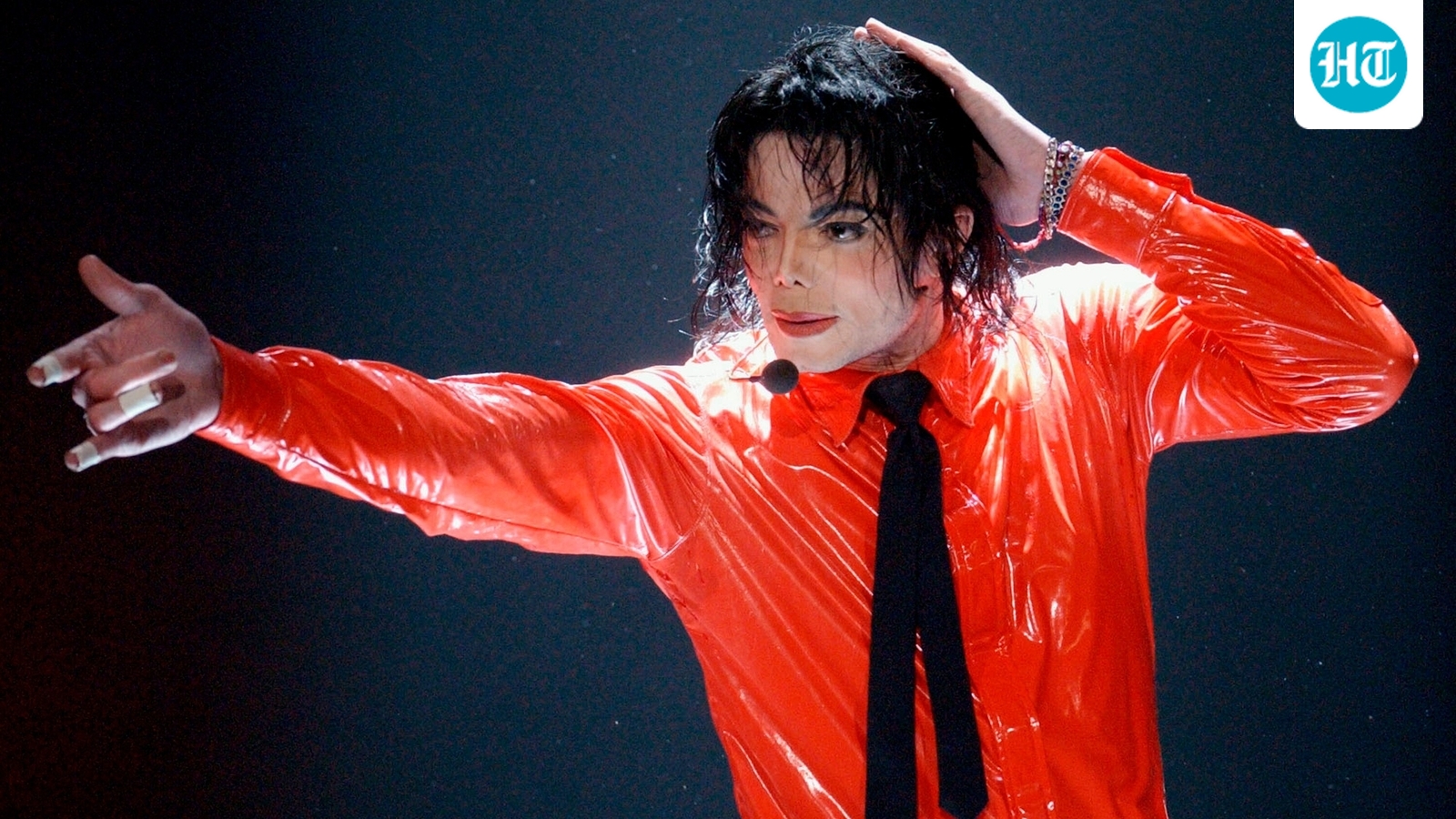
The long-rumored involvement of Michael Jackson with Sonic the Hedgehog 3 remains one of gaming’s biggest mysteries. The pop superstar reportedly composed the music for Sega’s Sonic the Hedgehog 3 in 1993, but his name never appeared in the game’s official credits.
The uncredited collaboration became a subject of scrutiny among gaming historians and fans. Several developers and composers later claimed that Jackson helped create parts of the soundtrack. He suggested that their decision to remove the name was due to concerns about the console’s sound limitations, rather than a lack of involvement.
Sonic the Hedgehog 3 was released in 1994 for the Sega Genesis and became one of the most successful titles in the franchise. The game sold over four million copies worldwide. It introduced new gameplay features and expanded the story of Sega’s blue mascot, Sonic.
According to reports from gaming publications, Jackson was already associated with Sega when the company developed the 1990 arcade game Michael Jackson’s Moonwalker, based on the film of the same name. Jackson was reportedly a fan of Sonic, therefore, was interested in contributing to the third installment of the franchise.
Also Read: A Different World cast then and now: Where are the original stars today and who returned for the Netflix sequel?
Jackson’s alleged sonic collaboration
During his 1993 “Dangerous” world tour, Jackson visited the Sega Technical Institute in California, where Sonic 3 was being developed. According to former developers and composers, he was invited to contribute music after expressing his admiration for the franchise.
Musician Brad Buxer, who worked closely with Jackson, later said that the singer asked him to help with the project. Buxer claimed that Jackson composed the themes for the game and that some of those musical ideas later appeared in the final release.
According to the Daily Express, Buxer said in an interview with Black & White Magazine, “I composed the music for the game.” He explained that Jackson’s participation was not publicly credited because the singer was unhappy with the final sound quality produced by the Sega Genesis hardware.
The Sega Genesis used a limited sound chip compared to modern gaming systems. According to Buxer, Jackson felt that technology could not reproduce the complexity and quality of the compositions he created.
According to the Daily Express, Buxar said, “He did not want to be associated with a product that devalued his music.”
Fans later noticed similarities between parts of the Sonic 3 soundtrack and Jackson’s own music. The strongest connection was drawn between the game’s end credits theme and Jackson’s 1996 song “Stranger in Moscow”.
Buxer said that the chord progressions created for the game later became the foundation of “Stranger in Moscow”. The song was recorded in 1994 and appears on Jackson’s ninth studio album, History: Past, Present & Future, Book I.
Also read: John Wayne rejected a film in 1974; It became one of the greatest westerns of all time
Sega’s denial and decades-long debate
While several composers and developers have supported claims of Jackson’s involvement, Sega has never officially credited him for the soundtrack.
Former Sega executive Roger Hector offered a different explanation in a 2005 interview. Hector said that Jackson was initially hired to compose the music, but his work was removed after the allegations against the singer became public. He said that the team had to rework parts of the soundtrack before the game’s release.
However, Buxar disputed that explanation. He argued that Jackson’s music remained in the final version of Sonic 3 and that the lack of credits came from Jackson’s dissatisfaction with the technical limitations of the Sega Genesis.