It’s never easy to adapt a piece of history into a full-length feature film that’s both educational and engaging, especially when the subject matter involves human suffering on a catastrophic scale. The main challenge lies in recreating the horrors of the past, while ensuring that the human stories at the heart of the tragedy resonate with audiences long after the film ends.
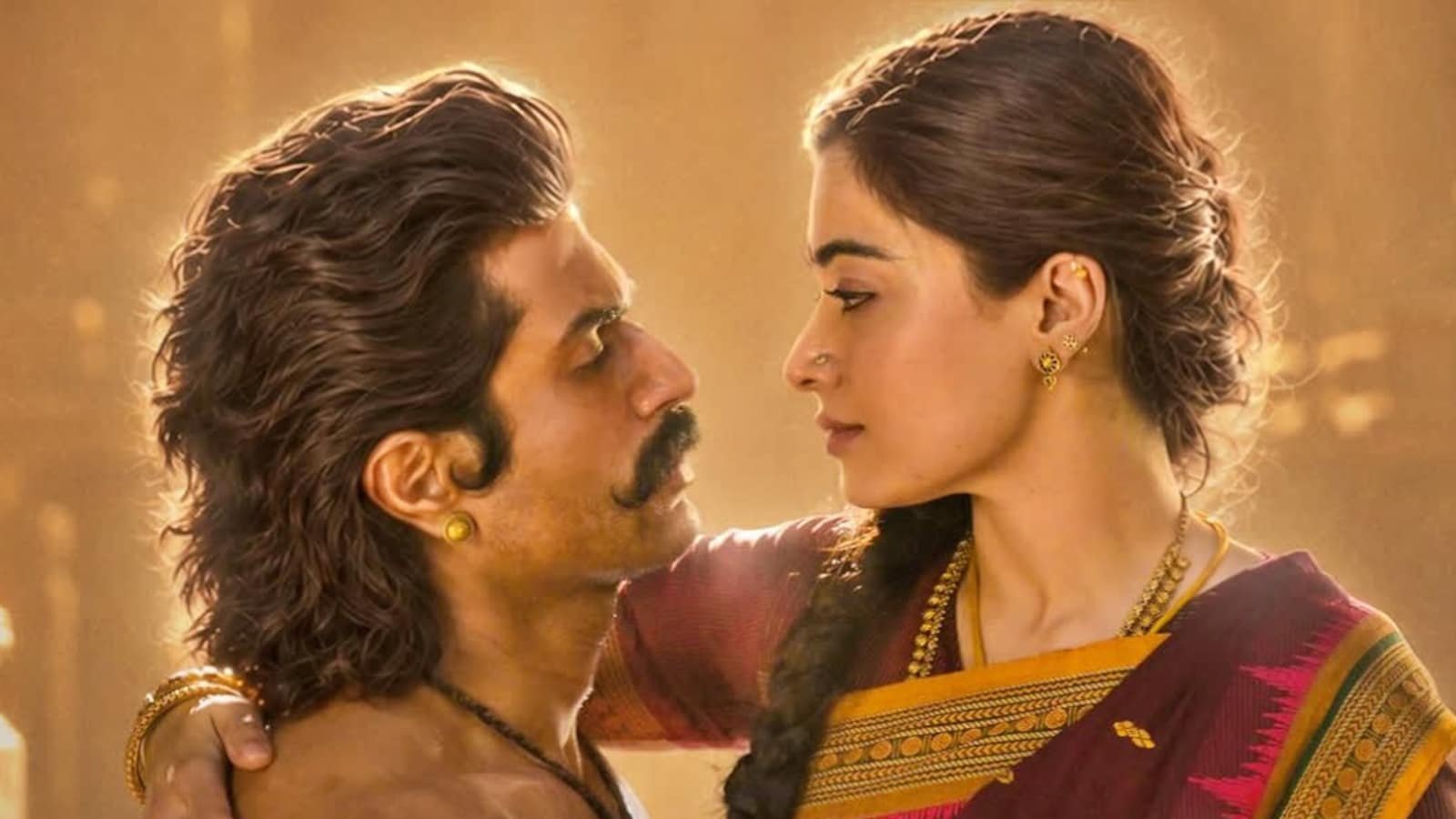
Director Rahul Sankrityan tries it RanabaliA period action drama set against the backdrop of the Great Madras Period of 1876-78. Starring Vijay Deverakonda as Ranbali and Rashmika Mandana as his wife Jayamma, the film explores this colonial exploitation and how one man becomes the savior of the people.
The Great Madras Famine was one of the worst famines in colonial India, affecting large parts of the Madras Presidency, Mysore and the Deccan, as drought, crop failure and colonial economic policies contributed to widespread starvation. Tens of thousands died from severe starvation and disease, and the British administrators’ response was considered a failure. Ranabali explores this devastating period and shows the brutality of British colonial rule, including the diversion of food grains when people in India were struggling to survive.
It is in this perspective that the warrior Singanamala Bobili Ranabali (Vijay Devarakonda) rises up against the British oppressors, particularly Commissioner Hector (Arnold Voslu), who has taken it upon himself to ensure that he exports as many food resources as possible to win the crown’s favor, even as people in India starve. The director tells how this exploitation leads to a rebellion led by Ranbali, placing him at the center of a larger struggle for justice.
Director Rahul Sankrityan’s screenplay falls short as the narrative is too slow, the pacing is uneven and it does not offer anything new to the audience in terms of a period drama set during the colonial era. The Great Madras Period is interesting as a backdrop as the screenplay is about anger, survival and rebellion but ultimately, the main drivers of the story end up being Ranabali’s bravery and the repeated brutality of the British. While the director has ensured scale in this period film, the emotional depth needed to bring people’s suffering to life is lacking.
And excessive violence and gory visuals make the film more disturbing than moving. For example, the film depicts the deaths of starving people in (unnecessarily) graphic and painful detail. Although these scenes depict the horrors of the famine, a more sensitive approach could have helped the audience connect with the victims and understand the magnitude of their suffering. Even some scenes with Jayamma in the second half are quite painful. The intention seems to be to surprise the audience with these visuals, and it does – but it doesn’t endear them to the story, unfortunately.
Even where the conflict between Ranabali, the people and the colonial rulers is concerned, there is much graphic violence in the film. Again, these sequences were probably meant to show the brutality of the regime and the intensity of the rebellion, but on repetitive mode, it’s more numbing than effective. The first half of the film is better than the second half as it establishes the historical setting and central conflict. The second focuses on the frequent clashes between Ranabali and the British, and this becomes tiresome. By the time the film ends, it’s an exhausting hour, and the human tragedy ends.
Vijay Deverakonda hasn’t had much success in recent years, and he’s clearly invested a lot in himself. Ranabali. However, one wonders if it was the right role for him at this juncture. While the Arjun Reddy star brings the necessary physicality and intensity to the warrior fighting the British, the character needs more emotional depth and nuance to make a lasting impression, which the script misses out on.
Vijay is fully committed to this role, but Ranabali It’s all about heroism, and it becomes a missed opportunity for a character that could have been explored more deeply. Rashmika Mandanna brings much-needed relief and warmth as Jayamma, and her scenes with Vijay add color to an otherwise depressing narrative. Again, her character could have been written with more agency to give her a stronger role in the film’s narrative.
Technically, the film’s visuals by Jishnu Bhattacharjee and Nirav Shah remind us a lot of director Pa Ranjith. thanglan. The scale and visual grandeur expected of a period drama are well displayed, and they capture the fog of famine and brutality of the colonial era. The film could have been trimmed down to at least 20 minutes from its three hours by editor Karthika Srinivas, as some scenes were just unnecessarily drawn out and added no value to the narrative. Ajay-Atul’s music and BGM are quite forgettable.
Overall, Ranabali An ambitious film that falls short in execution and becomes a very disappointing cinematic experience.